State the intended circuit role explicitly
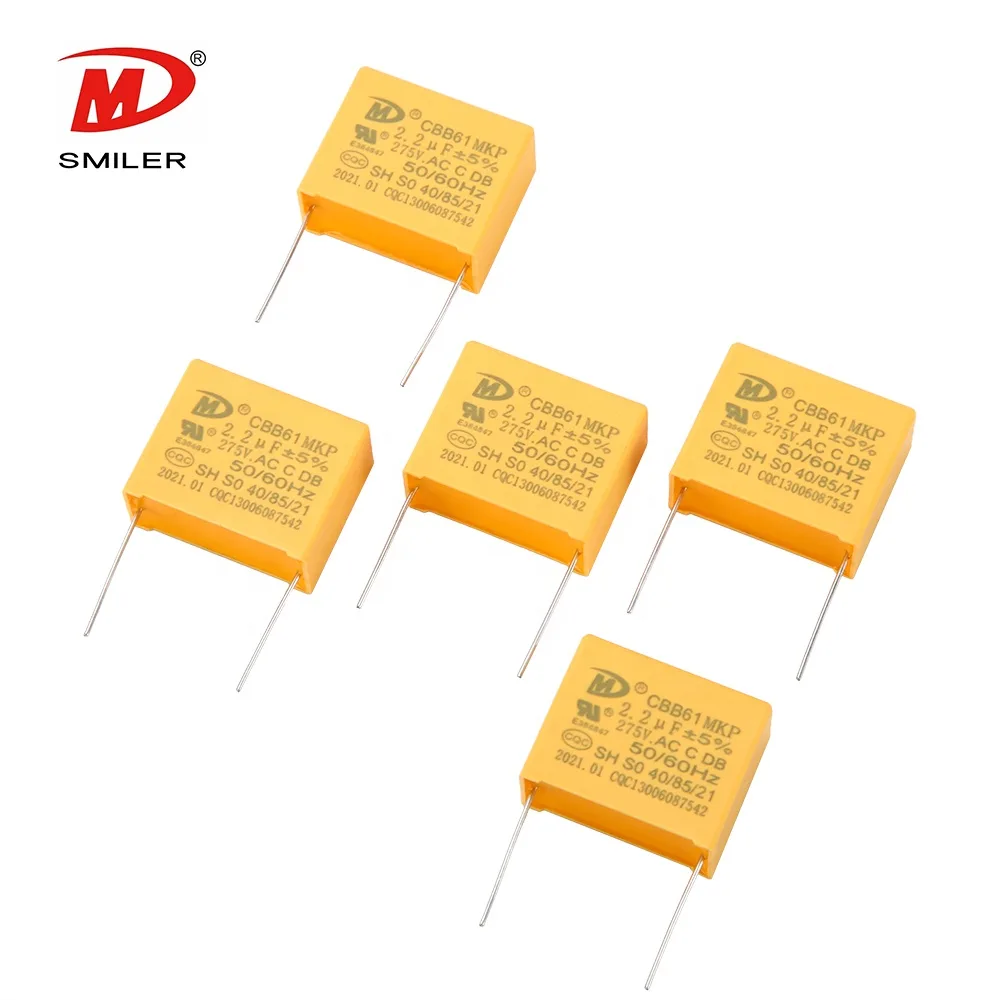
Begin your inquiry with the equipment and the intended circuit position. Explain what requirement the capacitor must satisfy and provide the relevant engineering specification. The available X2 listing establishes the product designation, but it does not provide enough detail to approve an application. Do not let a familiar industry term replace the review of the actual component being proposed.
For an existing design, attach the approved component reference and identify why you are considering a new source. For a new design, distinguish established requirements from provisional targets. If your team has not yet finalized the circuit requirement, make that visible. A manufacturer can then respond to a defined brief or identify the information needed for a proposal, instead of a quotation being built around unstated assumptions that only become apparent during sample evaluation.
Treat classification and approval as evidence questions
If your project requires a particular safety classification or certification, include that requirement explicitly and ask for the supporting evidence for the proposed part. The model name alone is not a verified certificate or a statement of its scope. The available product page does not establish which ratings or variants are covered by an approval, so those fields must be confirmed during the inquiry.
Ask your compliance reviewer to check the exact product identification and the scope of any documents supplied. Keep a distinction between the classification you require and the evidence the proposed component actually has. A general company certificate, another product's approval or an unqualified catalogue phrase should not close the requirement. Record outstanding documentary points alongside the technical specification so the final purchasing decision reflects what has been established, rather than what a familiar label seemed to imply.
Prepare an electrical specification with clear conditions
List the capacitance, tolerance, voltage requirement and relevant operating conditions defined by your equipment engineer. Use explicit units and explain whether each value is a required rating, a measured condition or a provisional design target. The available X2 page does not supply a confirmed numerical range, so missing values should remain open questions until the proposal is documented.
Attach the circuit context and any application information needed for evaluation. Where the equipment has several operating modes or market variants, identify the conditions that the component must support. Do not assume that a proposed part for one version automatically covers the others. A structured electrical brief makes the manufacturer's response reviewable and helps your team see whether the offer addresses the full requirement or only a subset of the intended application.

Define the physical interface before ordering samples
Provide the maximum body envelope, connection layout and mounting constraints relevant to your design. If the capacitor will be assembled on a board, include the required footprint and identify any dimensions that are already fixed. If the installation uses another arrangement, show that interface clearly. The available listing does not establish dimensions, lead details or housing material for the proposed X2 part.
Request a confirmed outline and compare it with the actual assembly. A photograph is useful as a reference, but it cannot establish the dimensional tolerance or connection geometry needed for approval. During sample review, check the complete installation rather than the body alone. Record any necessary change to the board or enclosure, then update the controlled drawing before the production order. This prevents a mechanical assumption from carrying forward unnoticed into later deliveries.
Describe circuit placement before discussing a classification
If your inquiry concerns a capacitor connected across supply conductors, state that circuit position explicitly and show it on the drawing. If the intended connection is different, describe it rather than relying on the same short designation. Ask the equipment's compliance engineer to identify the applicable component classification and evidence required for that position. The proposal should respond to that defined requirement; the catalogue name alone is not a completed application assessment.
Separate a filtering objective from any other circuit function being considered. Ask whether the proposed component is being evaluated for interference suppression, another electrical role or a combination of requirements defined by the equipment designer. Those uses should not be treated as interchangeable merely because the required nominal capacitance looks similar. Provide the relevant operating conditions and ask what application information the manufacturer needs before proposing a configuration. These are conditional questions for your project, not additional uses or safety capabilities claimed for the SMILER X2 listing.
Plan sample acceptance around the remaining uncertainties
Before arranging samples, separate the questions that inspection can answer from those requiring technical evidence. A physical fit check can establish whether the proposed outline matches the assembly, but it does not establish an approval scope. Likewise, a component measurement answers only the characteristic and conditions assessed. Have engineering and compliance reviewers specify the remaining evaluation needed for the intended circuit position, so a convenient sample does not bypass a different requirement.
Keep the sample identity connected to its proposed specification and drawing revision. Record the conditions and results of the evaluation, along with any changes made to the assembly during the trial. If a requirement cannot yet be assessed, leave it visibly open. A sample that is physically convenient or electrically promising is not automatically a complete approval when documentary requirements or other acceptance conditions remain unresolved.
Have a drawing or target specification?
Include it in your first message so the conversation starts with your equipment requirements.
Start a technical inquiryKeep material and lifetime claims tied to documentation
The available X2 listing does not establish the dielectric material, housing construction or service life of the proposed configuration. Request those details where they matter to your design. Do not import a material description from another series in the manufacturer's catalogue or from a different supplier's product with a similar designation. Each property needs to belong to the part actually under consideration.
If endurance or environmental information is supplied, retain its test or rating conditions and the applicable configuration. An isolated lifetime figure is not enough to establish performance in your equipment. Ask the technical reviewer to determine whether the supplied information answers the project requirement or whether further assessment is necessary. Keep those decisions with the approved specification. This avoids a later catalogue or purchasing description expanding a conditional statement into a guarantee that the supporting document never made.
Request commercial terms against the same technical baseline
Give the manufacturer your anticipated quantity, destination, requested schedule and sample needs. Reference the technical brief and drawing so the price is connected to a defined proposal. Ask for minimum order quantity, availability, lead time and any customization terms to be confirmed. The available listing does not publish a standard commercial package that can be assumed for every X2 inquiry.
When comparing offers, record deviations in ratings, outline, evidence or supply scope next to the price. Keep the approval status visible: a proposal awaiting a certificate review is different from one that has completed your qualification process. For several equipment variants, use separate order references unless a common component has been approved. This gives procurement a sound basis for comparison and prevents an apparent saving from depending on an unreviewed change to the component requirement.
Distinguish steady operation from exceptional conditions
In your electrical brief, distinguish the conditions expected during ordinary operation from any transient or abnormal conditions that the equipment specification requires the component to address. Ask the responsible engineer to define the relevant requirements and the evidence needed for each. A nominal voltage entry should not silently stand in for every condition considered by the equipment approval process. Request a response against the actual application rather than selecting an unspecified part from a familiar designation.
If the project is intended for several markets, ask whether the same component requirement and documentary scope apply to all versions. Where the answer differs, list the variants rather than treating a common enclosure as a reason to share one purchasing line. If a proposed alternative changes the required approval evidence, have the compliance reviewer assess that change alongside the electrical proposal. This approach makes an X2 inquiry more useful: it connects circuit placement, operating requirements and documentary scope before the sample is ordered, while leaving the manufacturer's numerical ratings and certifications to be confirmed for the exact part.
Frequently asked questions
Does the X2 name prove a specific approval?
No verified approval scope is established by the available listing. State the classification and certification your project requires, then request evidence for the exact proposed part and ratings. Have your compliance reviewer check that scope before treating the requirement as satisfied.
What voltage and capacitance ranges can I select here?
No confirmed numerical ranges are published on this page. Submit the values and conditions required by your equipment design and ask for a proposed specification. Do not fill the gaps with ratings from another supplier's similarly named product.
Can I assume the material is the same as another SMILER series?
No. The available X2 listing does not establish its material or construction details. Request those properties for the proposed configuration where your project requires them. Information about another capacitor family should not be transferred into this part's specification.
How should a custom requirement be submitted?
Provide the electrical brief, physical interface, required documents and intended quantity. Mark mandatory requirements and acceptable alternatives clearly. The catalogue invites customization discussions, but feasibility, the proposed configuration and commercial terms need a specific response before approval.
What is needed before repeat production orders?
Retain an approved specification and drawing, an identifiable sample decision and the required supporting evidence. Define receiving checks and how changes will be handled. Repeat orders should refer to that controlled configuration rather than only to the broad X2 designation.
What if a quotation omits a required document?
Keep the requirement open and ask whether the document can be provided for the proposed configuration. Record any scope limitation or alternative offered, then refer that point to your compliance reviewer. Avoid approving the technical package simply because the price and dimensions are acceptable. The final purchasing record should distinguish an accepted evidence package from a proposal that still depends on a documentary confirmation.
Sources & technical reading
External references explain general engineering principles. They do not establish SMILER product ratings or approvals.