Begin with the appliance specification
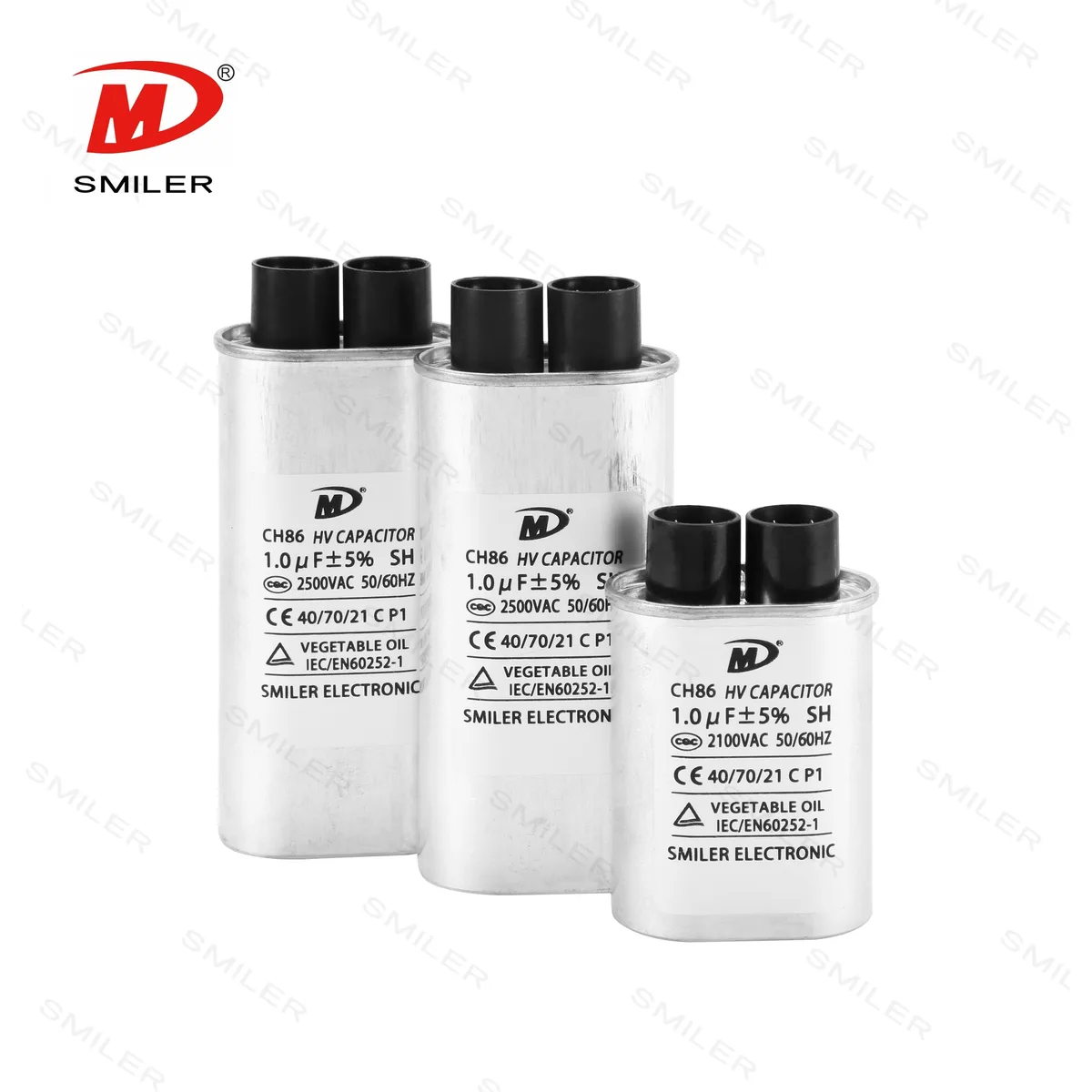
The catalogue associates CH86 with microwave oven capacitor inquiries. That gives the product an application context, but it does not establish compatibility with every microwave appliance or circuit. Identify the equipment design and the component requirement set by its engineering team. For an existing product, provide the approved capacitor specification. For a new design, explain which electrical and mechanical requirements have been established and which remain under review.
A useful inquiry states the purpose of the sourcing exercise. You may be looking for a replacement supplier, assessing a revised component arrangement or developing a new appliance platform. Each task needs a different comparison baseline. Make that baseline explicit so the proposed part can be reviewed against an actual requirement. A catalogue heading alone should not become the basis for approving a component in equipment with an unconfirmed electrical or mechanical configuration.
Confirm the exact product identity
Use CH86 as the reference for this inquiry and request the full identification of the proposed part. The source page's broader heading does not establish separate specifications or interchangeability for another model mentioned there. Keep the proposed part number, drawing and sample identity consistent throughout the review. This prevents a general catalogue label from hiding a change in the component being discussed.
If you provide an existing sample or photograph, identify whether it is the actual installed component or a visual example. Capture the markings clearly and attach the original specification where available. Ask the manufacturer to distinguish its proposal from your reference rather than assume the two are identical. A comparison should make differences visible for engineering review. Purchasing can then track a specific proposed configuration instead of relying on a similar name or familiar outline.
Request electrical ratings as documented fields
The available CH86 listing does not establish rated voltage, capacitance, tolerance or other numerical electrical limits. Ask your equipment engineer to define the requirement and request confirmation for the proposed component. Keep the units and operating conditions attached to each value. A number taken from a different manufacturer's product is not evidence for this part, even if the model designation appears similar.
Identify any required construction features or internal arrangements in the specification, and ask for a response against them. In particular, do not assume an internal discharge arrangement from the application name. If your equipment depends on such a feature, it needs explicit documentary confirmation. Keep open electrical questions visible until answered. This allows a quotation to show what is confirmed and what remains conditional, rather than creating an apparently complete specification from unsupported assumptions.

Supply the installation drawing and interface requirements
Provide an outline of the available space and the intended mounting arrangement. Include the connection area, surrounding constraints and any dimensions fixed by the appliance design. The available product page does not provide a confirmed outline, terminal specification or housing detail for your order, so request those items for the proposed configuration. Avoid approving a mechanical match from a catalogue image alone.
When samples are reviewed, compare the complete installed arrangement with the agreed drawing. Record any change needed to the bracket, connection routing or neighboring parts. The equipment engineer should assess the proposed installation against the relevant component and appliance requirements. If a modification is accepted, update the controlled drawing and communicate it before production purchasing. That preserves a reproducible assembly configuration rather than leaving a successful prototype fit dependent on informal workshop adjustments.
Identify the appliance circuit and component position
A microwave appliance name does not describe the capacitor's complete electrical task. Ask the appliance engineer to identify the circuit position and the specification assigned to that position. If your product range contains different power-supply arrangements, show which arrangement belongs to the inquiry rather than assuming a common component requirement from the external appliance appearance. Supply the relevant drawing excerpt and identify the capacitor reference on it.
For a replacement-source project, ask whether the proposed CH86 component is being compared with an existing approved part or with a requirement still under development. If the circuit arrangement has changed, make that change visible. Ask which electrical characteristics must remain equivalent and whether the new mounting or connection arrangement affects the review. These questions are intended to define the appliance requirement; they do not establish compatibility with a particular microwave design. A clear circuit position gives the manufacturer a more useful starting point than an appliance capacity, a marketing power figure or a photograph of the outer cabinet.
Arrange qualification through the appliance engineering team
Have the appliance engineering team define the sample evaluation for the identified capacitor position. Ask which component characteristics require measurement and which need documentary verification, then connect those checks with the equipment qualification plan. If the proposal changes an electrical interface or a mounting feature, include that change in the review scope. The evaluation should address the proposed CH86 configuration in the actual appliance design, with an appropriate method and responsible technical personnel.
Before samples are requested, record the questions the evaluation must answer. These may include identity, mechanical fit and the required electrical characteristics, followed by the equipment-level checks selected by your engineers. Retain the sample identity with the results and note any change to the equipment configuration during evaluation. An approval record should show which proposal was assessed and under what conditions. If a requirement remains unresolved, keep it open instead of treating an initial trial as full production approval.
Have a drawing or target specification?
Include it in your first message so the conversation starts with your equipment requirements.
Start a technical inquiryAsk for approval evidence with a traceable scope
The available CH86 listing does not establish a verified certification scope for the exact part to be supplied. Tell the manufacturer which documents your customer or destination market requires, and ask for evidence tied to the proposed model and ratings. General certificate references should not be treated as proof that every CH86 configuration meets every project requirement.
Have your compliance reviewer check the document identity, applicable configuration and any conditions. Keep that evidence with the component specification rather than in an unrelated company-information folder. If a document is still pending, record it as a purchasing condition. The same discipline applies to material and endurance statements: request their basis and scope rather than importing a value from a similar component. This keeps the eventual appliance technical file aligned with the part that was actually reviewed and ordered.
Prepare the commercial brief for an OEM quotation
Include the anticipated order quantity, destination, sample needs and requested schedule. State the technical reference the quotation should use, plus any marking, packaging or document requirements. Ask for minimum order quantity and lead time to be confirmed for the proposed CH86 configuration. The short catalogue listing does not establish a stock position, a standard delivery period or a fixed commercial package.
Where the appliance has several versions, list the component requirements separately. Ask proposed deviations to be shown clearly so your engineers can decide whether they are acceptable before purchasing compares price. Keep sample approval milestones separate from the desired production delivery date. If a commercial offer depends on a technical point still under discussion, retain that condition in your records. A clean quotation comparison should show both the price and the configuration on which that price is based.
Ask explicit questions about discharge and connection details
Where the appliance specification depends on a discharge feature, ask whether it is part of the proposed component or provided elsewhere in the equipment. Request the relevant characteristic and its supporting document for the exact configuration. Do not infer an internal resistor or any discharge behavior from the CH86 name. The appliance engineer should determine what the equipment requires and which part of the design is responsible for meeting it.
Connection questions deserve the same precision. Ask for the terminal geometry, insulation-related interface information and mounting outline needed by your design team. Identify whether an existing harness and bracket must be retained, and ask how the proposed part would meet those interfaces. If several appliance versions use different connection layouts, keep them separate in the inquiry. This helps your team evaluate the actual component position without turning a broadly similar can or terminal appearance into a compatibility claim. Bring these questions to the quotation stage so an acceptable price is supported by a clearly defined proposal that the appliance engineers can assess.
Frequently asked questions
Is CH86 already approved for my microwave appliance?
The catalogue's application heading does not establish compatibility with your particular equipment. Provide the appliance component requirement and request a confirmed specification. Your engineering team should assess the proposal through the equipment's normal qualification process before approving it for use.
What electrical ratings are confirmed on this page?
No numerical voltage, capacitance or tolerance range is confirmed here. Those values must be specified and checked for the proposed configuration. Do not infer them from a similar product, a photograph or the model name alone.
Can I assume an internal discharge feature?
No. The available listing does not establish that feature. If your equipment specification requires an internal arrangement or a related characteristic, include it explicitly in the inquiry and request documentary confirmation for the exact part under consideration.
Does the broader catalogue title prove model equivalence?
No. Use the exact proposed part identity and request a specification comparison where another model is involved. A broader heading does not establish identical ratings, dimensions or approval scope. Keep alternatives separate until engineering has assessed their differences.
What should I send for a CH86 quotation?
Send the equipment specification, required electrical values, installation drawing, documentary requirements, quantity and destination. Ask for the proposed configuration, sample terms and commercial conditions to be confirmed. Customization can be discussed, but feasibility and delivery require a project-specific response.
How should appliance variants be handled in one inquiry?
List each equipment version with its approved component requirement and installation drawing. Identify any shared specification explicitly, and keep differences in circuit, mounting or documentary needs visible. Ask the manufacturer to respond against those references. Your engineering team should decide whether a common proposal covers the variants; a shared appliance brand or similar external appearance does not establish that the same capacitor configuration is appropriate for all of them.
Sources & technical reading
External references explain general engineering principles. They do not establish SMILER product ratings or approvals.