Identify the motor starting task before selecting a part
Describe the motor and the starting arrangement in your inquiry. Include the equipment context, the existing specification if there is one and the reason you are considering SPP6. The published listing identifies motor starting as an application, but it does not establish suitability for a particular motor, compressor or equipment model. That decision requires a review of the proposed component against the actual circuit requirements.
If you are trying to address a starting problem, provide the observed symptoms and any measurements available. Keep observations separate from the proposed remedy. A request for a different component should not assume that the component alone will resolve an equipment issue. If this is a new design, state which starting requirements have already been defined by the equipment engineer and which remain under development. That gives the manufacturer a useful technical brief rather than a broad performance expectation.
Keep SPP6 identification separate from look-alike references
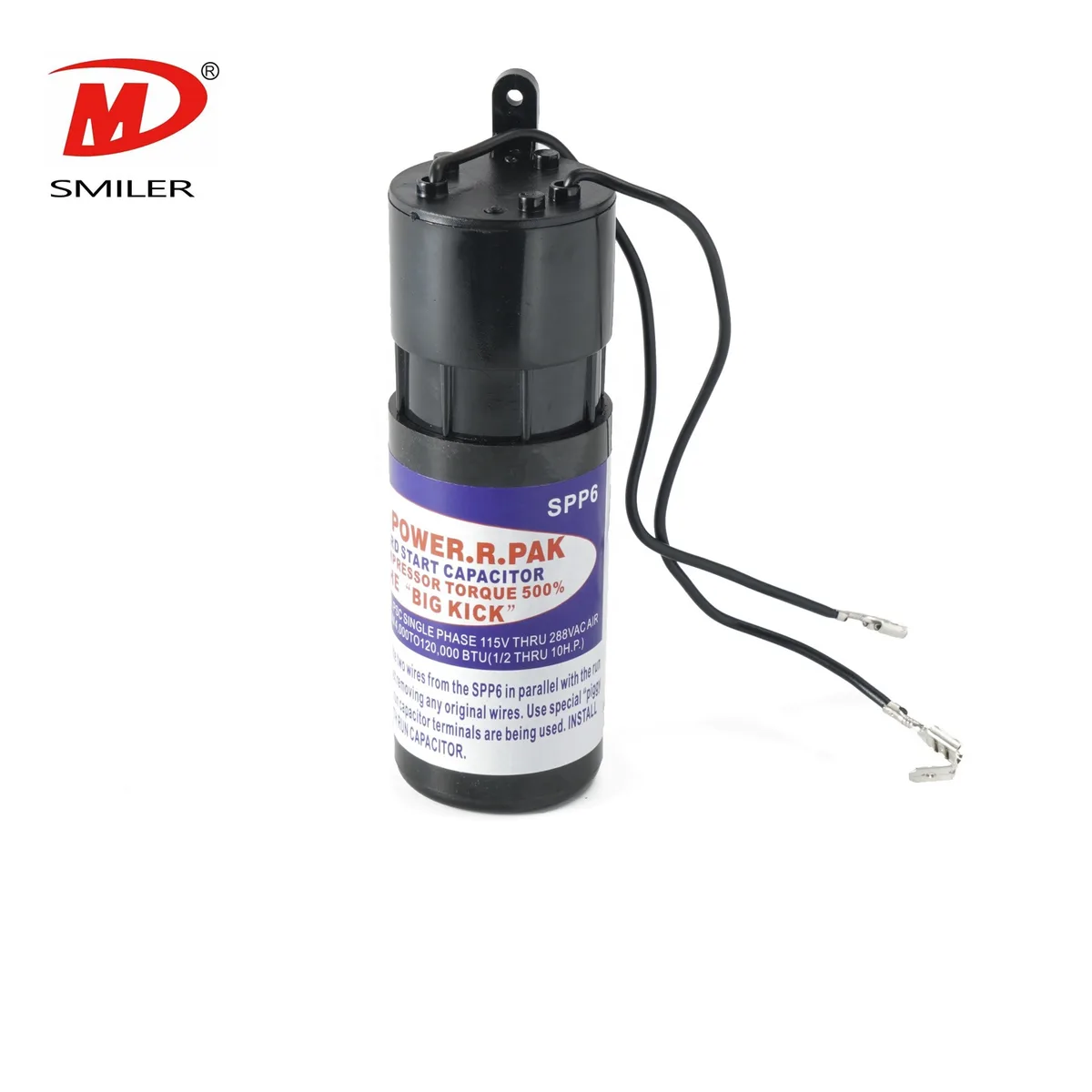
Use SPP6 as the inquiry reference and ask for the exact proposed part identification. Similar model names, mixed catalogue labels or familiar photographs should not be treated as evidence that two products are interchangeable. The available information does not establish equivalence to another starting capacitor model. A replacement proposal needs its own specification and a documented comparison against your existing requirement.
When sending a reference image, explain whether it shows the actual installed part or only an example of the desired arrangement. Include legible markings and a drawing if available. Ask the manufacturer to identify the proposed product in the quotation and sample documents so there is no ambiguity later. If an alternative is suggested, keep its identity distinct throughout evaluation. That allows purchasing to track what was actually reviewed instead of merging several similar names into one assumed component.
Ask for the electrical specification rather than guessing it
The available SPP6 page does not publish confirmed ratings or a numerical compatibility range. Define the required capacitance, voltage and operating conditions with your engineering team, then request confirmation against the proposed configuration. Do not assign common values from other suppliers' products to this listing. An unfilled specification field is a question to resolve, not permission to complete the record from memory.
Explain the starting sequence and the relevant operating pattern. Ask what component information is needed to assess that sequence and what limitations apply to the proposal. Keep equipment-level targets separate from component ratings. If the request contains several motor variants, list their requirements independently and ask whether a common part can be considered. Do not consolidate them into one order merely because the equipment belongs to the same product family or has a similar commercial power description.

Clarify what the proposed supply includes
A purchasing description should make the scope of supply clear. Ask the manufacturer to identify the proposed component, its connections and any items included with it. The available listing does not establish a complete accessory package or a detailed connection arrangement. If your application needs related parts or a particular interface, include that requirement and ask for an explicit response rather than assuming it is bundled with the model name.
Use a drawing or annotated application document to show the intended interface. Mark any details that are fixed by the equipment design and separate them from preferences. If the proposal changes the arrangement, have engineering review the change before accepting the commercial offer. A defined scope also helps the receiving team: it can compare a delivery with an agreed list and drawing rather than discover at assembly that a necessary connection detail was never discussed.
Define the starting problem without assuming its cause
If the inquiry follows difficult starting, describe exactly when the concern appears. Ask the equipment team whether it occurs on an initial start, a restart or a particular operating condition. Include any verified measurements and identify where they were taken. Do not reduce the brief to a request for a stronger capacitor, because that phrase does not specify an electrical requirement or show why a different component is appropriate.
Ask the responsible engineer which part of the starting arrangement is being reconsidered and which parts must remain unchanged. If a control or switching element is involved, show its place in the circuit and ask whether the proposed component must be assessed together with it. A useful comparison identifies the same motor and operating scenario for the existing and proposed arrangements. It does not assume that a favorable result on one machine demonstrates universal compatibility. These questions help frame an SPP6 sample trial without promising a torque increase, a power range or a remedy for an equipment fault that has not been investigated.
Evaluate starting performance with an agreed method
Define the starting-performance question before requesting samples. If the project compares an existing arrangement with a proposed one, ask engineering to establish suitable comparison conditions and identify which observations will answer that question. Do not set an acceptance target around an assumed percentage increase from the model name. The available product information does not establish a quantified torque improvement; the trial should address the actual requirement of the motor and starting system.
Record the sample identity and the conditions of the trial. If you are comparing with an existing component, make sure the comparison method is appropriate and the equipment configuration is documented. Keep measured results distinct from conclusions. When a trial identifies a concern, provide the observation and conditions for follow-up rather than reducing it to a vague pass or fail message. The qualification steps described here are buyer guidance and do not claim that a factory or independent laboratory has tested your application.
Have a drawing or target specification?
Include it in your first message so the conversation starts with your equipment requirements.
Start a technical inquiryRequest documents that match the proposed part
Identify any approval, material or endurance documentation needed by your customer or destination market. The available SPP6 page does not establish those properties, so ask for evidence with a clear model and rating scope. General company information, a certificate for a different product or a familiar series designation should not be used to close a product-specific requirement.
Have the responsible reviewer assess the documents alongside the proposed specification. If a required item is still pending, keep it visible in the approval record. Where a service-life claim is offered, ask for its conditions and applicable configuration. Where compatibility is proposed, ask what supports it and which equipment it covers. This makes the documentary review practical: each requirement has either supporting evidence, an agreed next step or a clearly recorded gap before the purchase decision.
Request a quotation against a defined configuration
Provide the proposed specification reference, estimated quantity, destination and requested schedule. State whether the immediate need is an evaluation sample or production supply. Ask for minimum order quantity, availability, lead time and any customization terms to be confirmed for that exact request. No fixed commercial terms can be inferred from the short product listing or from an unrelated starting capacitor order.
If you are comparing several offers, use the same technical brief and identify deviations explicitly. A cheaper proposal based on a different connection arrangement or unresolved documentation is not automatically an equivalent offer. Keep any engineering approval conditions attached to the quotation. For multiple variants, use separate internal references so the sample result for one configuration cannot accidentally authorize another. This gives procurement a clear basis for negotiation without weakening the technical definition of the component.
Clarify component-only and assembly requests
State whether your purchasing brief calls for the capacitor alone or for a defined assembly containing additional items. If you expect a control element, connector or mounting item, name it and show the desired interface. Ask the manufacturer to confirm the scope it proposes. The SPP6 designation should not stand in for a parts list, and a photograph of an assembled example should not be treated as confirmation that every visible item is included.
For an assembly proposal, ask which component specifications and connection details will be supplied for review. For a component-only proposal, identify the existing parts with which it will be used and the interface your team needs to assess. Keep these two cases distinct when comparing quotations: a price for one capacitor is not directly comparable with a price for a more extensive package. The same distinction matters during evaluation, where the performance question may concern the complete starting arrangement rather than the capacitor in isolation. Include your required scope of supply in the SPP6 inquiry so the response can address it explicitly.
Frequently asked questions
Is a voltage or motor power range confirmed for SPP6?
No confirmed numerical range is provided on the available listing. Send the actual motor and circuit requirements and request the proposed component specification. Do not copy ratings or compatibility claims from another supplier's similarly named product into this inquiry.
Does SPP6 promise a specific starting improvement?
No quantified torque or starting-performance improvement is established here. Define the equipment requirement and have your engineering team evaluate the proposed part under agreed conditions. A performance objective for your project should remain separate from a verified product claim.
Can I treat SPP6 as interchangeable with another model?
Not on the basis of the name or an image. Ask for a specification comparison and evaluate the proposed part against your existing requirement. Keep the identity of an alternative clear throughout quotation, sample review and purchasing approval.
What should a useful sample request contain?
Include motor information, the starting arrangement, the required electrical values, installation constraints and the questions the sample should resolve. Request a confirmed outline and specification, then establish the evaluation conditions and acceptance criteria with your engineering team.
Can customized supply be discussed?
The product page invites customer requirements for customization. Submit a defined brief and ask for feasibility, scope of supply and commercial terms to be confirmed. The listing does not promise every configuration, a fixed minimum order quantity or a standard delivery period.
What if the inquiry covers several motor variants?
Prepare a separate requirement line for each motor and identify the starting arrangement used with it. Show which dimensions and electrical requirements are shared and which differ. Ask whether a common proposal is feasible, but keep approval separate until engineering has assessed all intended variants. This prevents a successful trial on one motor from becoming an unsupported compatibility claim for the rest of your equipment range.
Sources & technical reading
External references explain general engineering principles. They do not establish SMILER product ratings or approvals.