Start with a defined starting-capacitor requirement
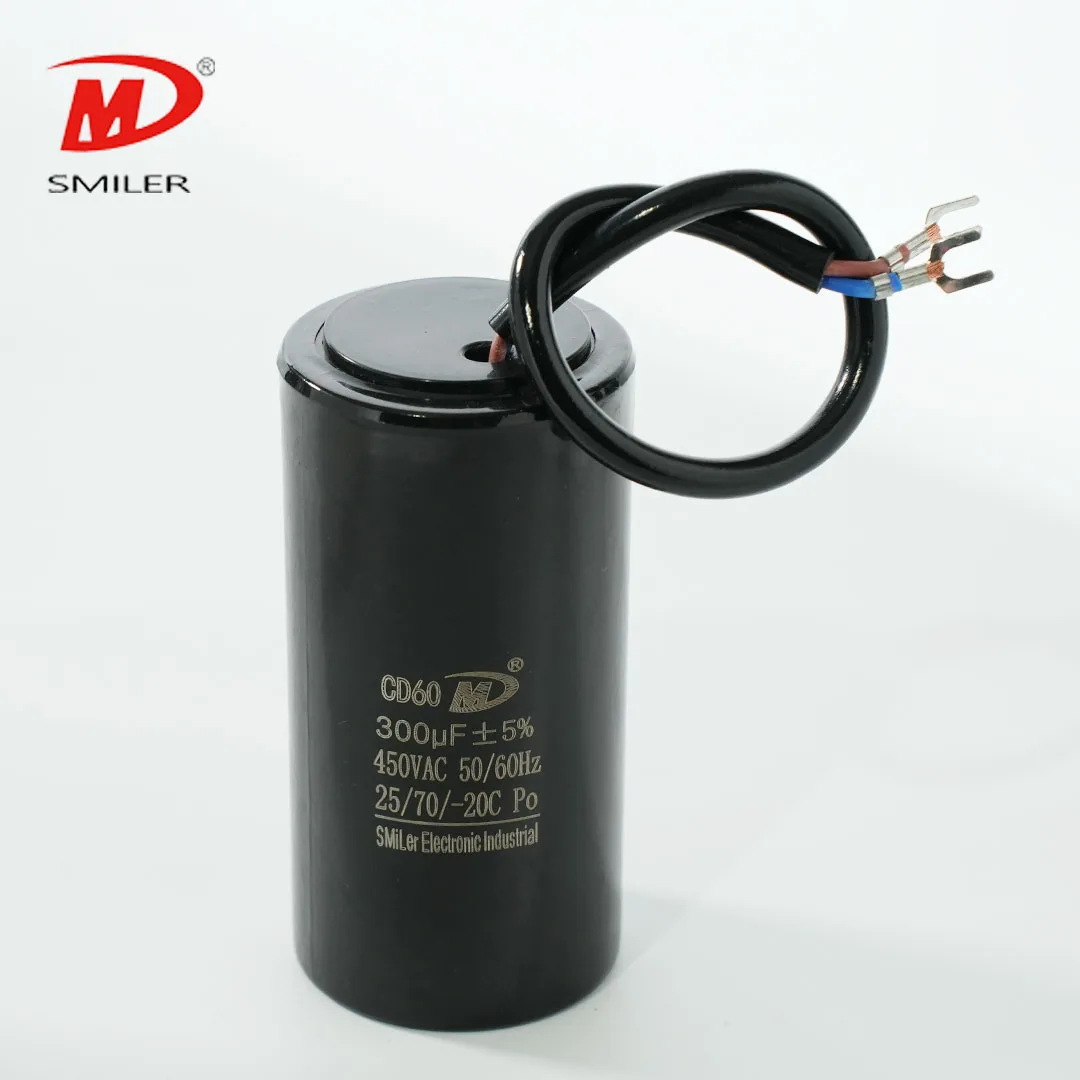
The published information establishes the CD60 product name and starting application. It does not establish a universal electrical specification for every part carrying that name. Your first task is to describe the circuit in which the component will be used and identify the requirement set by the equipment designer. If that requirement is already documented, attach it rather than asking the manufacturer to reconstruct it from a short model reference.
For a replacement inquiry, explain whether you need to preserve the existing configuration or are willing to consider a revised design. For a new product, state the development stage and which decisions remain open. Those details change the purpose of the discussion. A request for an equivalent approved component needs a comparison against a baseline, while a new design inquiry needs a proposed specification and a plan for evaluating it before production purchasing.
Build a complete electrical brief before comparing prices
Ask your engineering team to define the required capacitance, tolerance, rated voltage and operating conditions. Keep the units visible and distinguish an existing component marking from a new design target. The CD60 listing does not provide numerical ratings that can be safely filled into these fields, so an unanswered item should remain a question for review rather than become an assumed catalogue value.
Include the intended starting sequence and relevant duty information in the application brief. Ask the responsible engineer which conditions the component must support and what evidence is needed to establish suitability. If you are using information from an earlier supplier, identify the document and revision. A quotation based on a complete requirement can be compared meaningfully; a price against the name CD60 alone leaves too many details unresolved for a production decision.
Document the existing part without assuming equivalence
Clear photographs of the existing component can make an initial inquiry easier. Capture the markings and the physical connection arrangement, and attach an outline drawing where one exists. If the marking is incomplete or damaged, state that explicitly. Do not infer the missing value from a similar-looking item in another catalogue. The objective is to establish what is known and what still needs confirmation.
Use a comparison record for any proposed alternative. Separate electrical requirements, mechanical requirements and documentary requirements, then note the manufacturer's response against each. Ask for differences to be visible rather than hidden inside a general equivalent-part statement. Your engineering team should decide which differences are acceptable. A common model designation or similar body shape is not enough to demonstrate that a proposed capacitor is an approved replacement in the same equipment.

Make the installation envelope part of the request
Describe the space available for the complete installed component. Include body dimensions, connection space and the mounting arrangement, with the critical limits clearly identified. If a bracket is already fixed in the equipment, provide its drawing or measured interface. The available CD60 page does not establish dimensions, terminal details or housing material, so these must be confirmed for the proposed configuration.
Ask for an outline drawing before making a mechanical approval. When samples are evaluated, check them in the intended assembly and record any interference or connection difficulty. A part can appear suitable on a bench yet require a change to the enclosure or routing. If a change is accepted, update the controlled drawing and communicate the revision to purchasing. The next order should refer to that agreed arrangement instead of relying on a remembered sample appearance.
Describe starting duration and restart conditions
For a starting-capacitor inquiry, ask the motor designer to describe when the capacitor enters the circuit and when it is expected to leave it. Include the mechanism or control arrangement responsible for that transition where relevant to your design. Do not assume the component itself contains the means to control its connection. Ask the manufacturer which operating information is needed to assess the proposed CD60 part against the sequence you provide.
Distinguish an initial start from a restart request. If your equipment may be restarted before returning to its initial condition, describe that scenario and ask which requirements it creates for the component evaluation. If a start is unsuccessful, ask the equipment engineer how the system is intended to respond and whether that condition belongs in the qualification plan. These are questions about your circuit, not published CD60 duty ratings. They make the inquiry more specific than a motor power label and help prevent a proposal for one starting pattern from being assumed suitable for every operating sequence.
Plan sample acceptance before the samples arrive
Arrange the sample around a specific starting sequence. Ask engineering to identify the motor, the control arrangement and the operating scenario that the trial will represent. Decide whether the main uncertainty is starting behavior, the electrical requirement or physical installation. A trial focused on one of those questions may not answer the others. Use the intended equipment configuration and an evaluation method selected by the responsible engineering team.
On receipt, verify identity and compare the physical part with the agreed documents. Keep measurements and observations connected to the sample reference. During equipment evaluation, record the operating conditions and any changes made to the assembly. An approval should show what was tested and why it was accepted. If a result remains uncertain, leave that issue open rather than allowing an informal trial to become an unconditional production release.
Have a drawing or target specification?
Include it in your first message so the conversation starts with your equipment requirements.
Start a technical inquiryRequest evidence for the exact proposed component
The available CD60 listing does not establish a certification package, construction material, service life or numerical performance limits. Ask for the supporting documents required by your project and check their scope against the proposed component. A certificate for another model, a general company statement or a familiar designation cannot fill a missing product-specific requirement.
State your destination market and any customer approval requirements early. Have the responsible compliance reviewer assess whether the documents supplied are sufficient for the intended equipment. Where endurance information is requested, ask for the conditions and applicable configuration rather than accepting an unqualified life claim. Keep the evidence reference with the approved drawing so later purchasing and quality decisions use the same information. Missing documentation should remain a visible purchasing condition until it is satisfactorily addressed.
Separate technical approval from commercial planning
Provide your estimated quantity, destination, desired delivery date and sample needs as part of the RFQ. Ask for minimum order quantity, lead time, packing and other commercial terms to be confirmed against the proposed CD60 specification. This page does not publish a standard minimum quantity or guaranteed delivery period. The commercial response needs to reflect the actual configuration rather than an assumed off-the-shelf item.
If your project has a fixed launch date, explain the approval milestones as well as the requested delivery date. Keep sample evaluation and production release as separate decisions. When comparing quotations, note whether each offer is based on the same electrical and mechanical requirements and whether any documents remain outstanding. A lower price is only comparable after the technical basis is clear. Record proposed alternatives so your engineer can review them before procurement commits to a specification change.
Decide whether the task is replacement or redesign
An equivalent-source project should begin with the capacitor requirement already accepted by the motor designer. Ask whether the proposed CD60 configuration matches that requirement and identify every difference. If someone suggests changing capacitance to address a starting concern, treat that as an equipment design decision requiring review, not a routine purchasing substitution. Provide the existing configuration and the observed concern so the technical discussion has a defined baseline.
For a redesign, ask different questions: which starting behavior is the equipment team trying to achieve, what information exists from the current motor, and what can change in the installation? Identify whether the available body space is fixed or whether a new mounting arrangement can be considered. Ask which electrical and mechanical characteristics the proposed sample is intended to demonstrate. Keeping these two project types separate makes the manufacturer's response easier to interpret. One is a comparison with an established requirement; the other is a proposal requiring a fresh application assessment. Send that project context with your CD60 inquiry rather than asking for an unspecified replacement.
Frequently asked questions
Are CD60 voltage and capacitance published here?
No confirmed numerical range is provided on the available product page. Voltage, capacitance, tolerance and other requirements must be established for the proposed configuration. Send your specification or application brief and request written confirmation before treating a quotation as technically approved.
Can the model name establish the construction?
No. The name CD60 does not provide verified material, housing or terminal information for this product. Ask for the proposed part's documentation. Avoid importing construction details from a different manufacturer's similarly named component or from a general industry description.
Can I discuss a customized CD60 requirement?
Yes. The catalogue invites requirements for customized production. Submit the electrical brief, mechanical constraints and required documents, then ask for feasibility and the proposed specification to be confirmed. The invitation to discuss a requirement is not a guarantee that every configuration can be supplied.
What makes a replacement inquiry useful?
Provide the existing specification, legible marking photos, the installation drawing and the equipment requirement. State which characteristics must remain unchanged. Ask for a documented comparison so engineering can assess any proposed differences before a replacement is approved.
How should samples and delivery be arranged?
First define the sample configuration and acceptance plan. Then request sample terms and a production quotation against the same specification, with your quantity and destination. Minimum order quantity, lead time and supporting documents require confirmation for the actual project.
What if the old CD60 marking cannot be read?
Use the equipment documentation or the original approved component record as the next reference. Explain which information is missing and ask the equipment engineer to establish the requirement before selection. A body measurement or a photograph of a similar capacitor cannot recover an unknown electrical rating reliably. Keep the inquiry open until the required values are confirmed, then compare the proposed part with that documented requirement.
Sources & technical reading
External references explain general engineering principles. They do not establish SMILER product ratings or approvals.