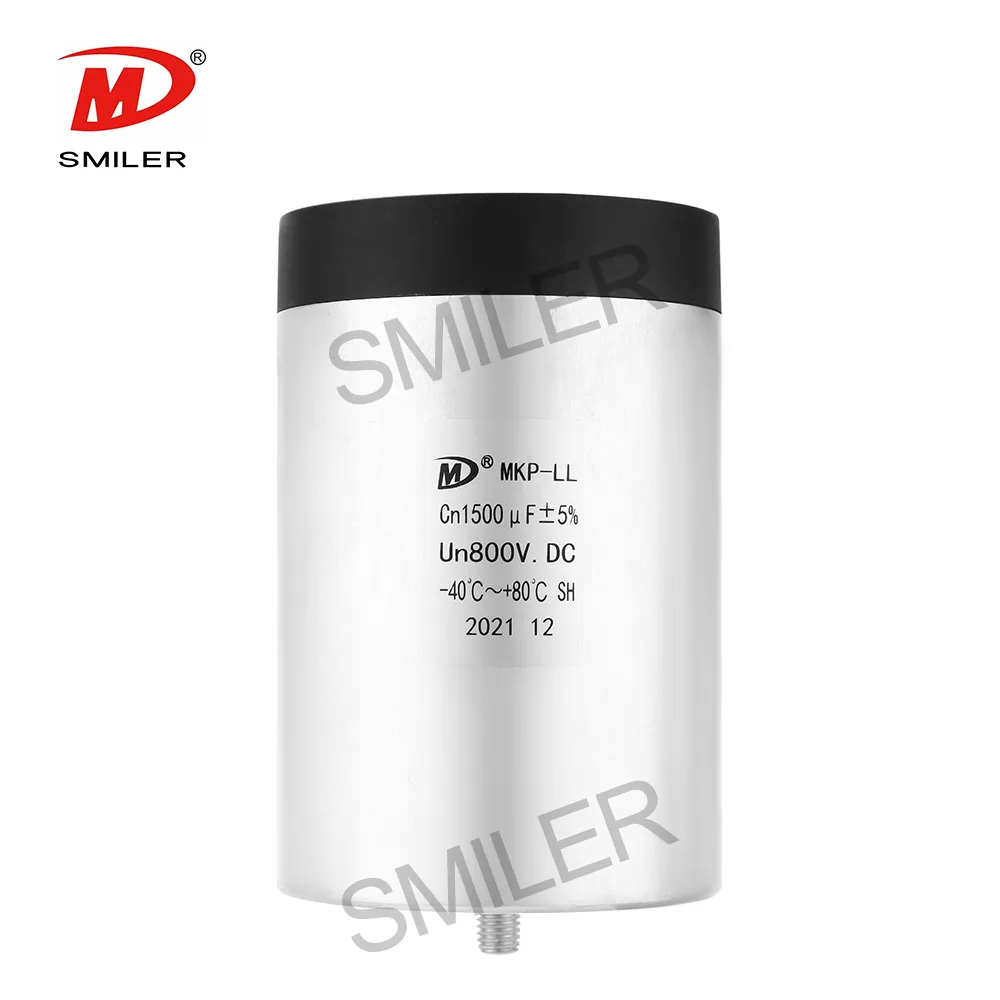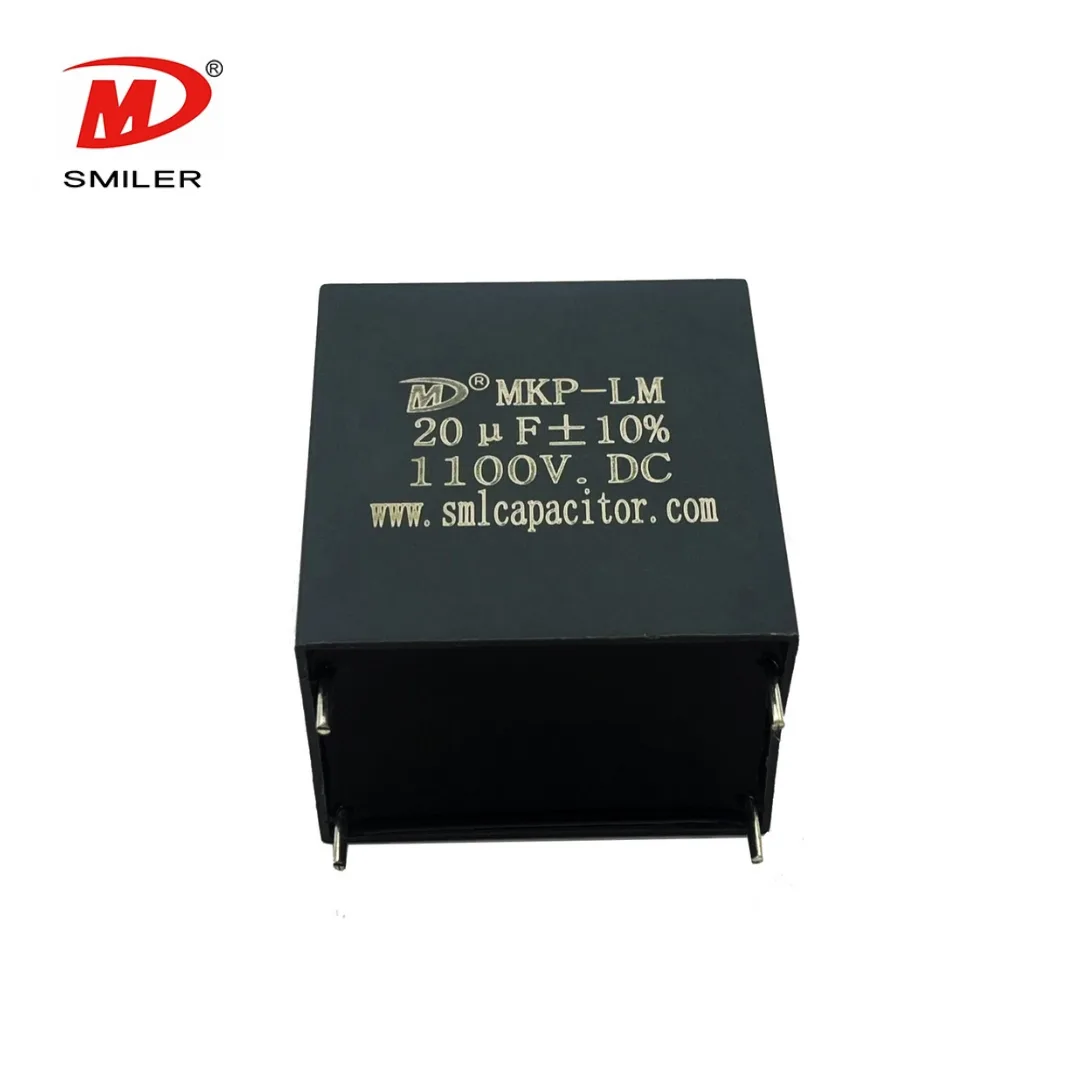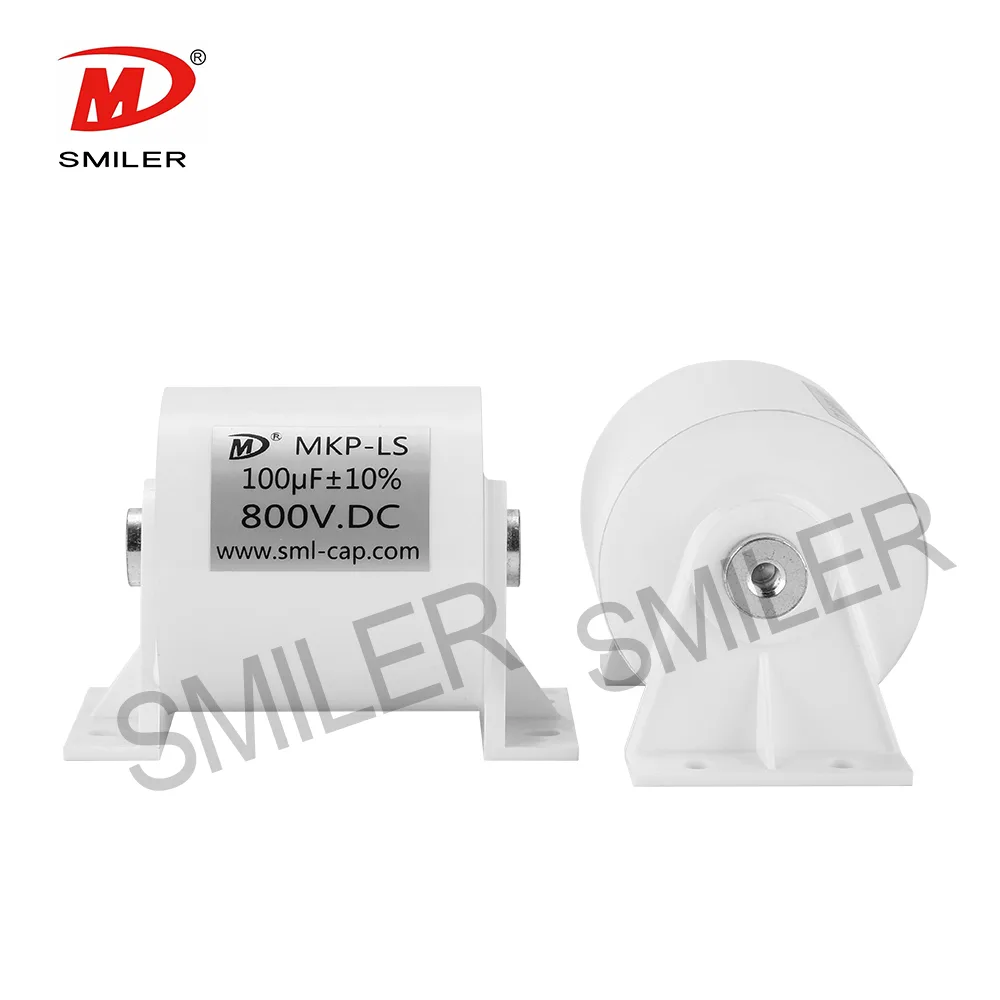
Start with the filtering function in your circuit
The MKP-LS page identifies AC/DC filtering, high-frequency and high-current applications, inverter welding equipment, UPS systems, and electric vehicles. Its catalog placement is within the DC-link product family. These descriptions provide a useful application context, but a buyer still needs to explain the exact circuit position and the waveform the capacitor will experience.
State whether you are evaluating a DC bus function or a particular filtering position and provide the relevant voltage and current information. Do not interpret the reference to AC/DC filtering as permission to use the DC voltage range as an AC rating. If the intended waveform contains an alternating component, include its conditions in the inquiry and request applicable limits for the candidate part. Clear circuit context avoids treating different filtering tasks as interchangeable merely because the same product family is being considered.
Housing and terminal form need an early decision
The documented construction offers a plastic shell or Mylar tape housing with resin filling and tinned copper terminals. These options affect how a purchasing team should describe the requested configuration. A quotation that states only MKP-LS leaves the package and interface unresolved, even before electrical performance is considered.
Send a drawing of the available mounting space and the connection arrangement. Ask the supplier to identify the proposed housing and terminal geometry explicitly, including the dimensions needed by your assembly team. If a current component is being replaced, provide its drawing and explain which mechanical features are mandatory. Avoid assuming that a tape-housed version and a plastic-case version fit the same envelope. The agreed configuration should be identifiable in the sample documentation and retained in the specification used for repeat orders.
Confirm capacitance against the selected rating
The published family voltage range is 500 to 1400 VDC. Selection still requires an individual rating and capacitance proposal. This page does not present a universal capacitance range or a full configuration matrix, so buyers should submit the target value and request confirmation for the intended voltage and package.
Include the tolerance needed by the circuit and explain whether the target is for one component or an assembly. If the current design uses several capacitors, describe the intended arrangement without assuming that another package will distribute the duty in the same way. Ask for the part-specific drawing and electrical data together. This keeps dimensions, capacitance, voltage, and terminal form attached to the same candidate, rather than combining attractive entries from unrelated catalog rows into a configuration that has never been confirmed.

High-current language needs a defined waveform
The product description highlights low self-inductance, low equivalent series resistance, and an ability to withstand current impact. These are qualitative family features. They should lead to questions about the selected part's electrical duty, not be converted into an unspecified guarantee of high-current operation.
Provide the current waveform, frequency information, repetition pattern, and relevant voltage transitions where available. Explain how those values were obtained and which operating condition they represent. Ask for the limits and measurement conditions applicable to the proposed capacitor. For a comparison between candidates, align those conditions before comparing a single resistance or current figure. A result taken under one frequency and temperature does not automatically answer a requirement stated under another. The purchasing specification should preserve the conditions used by the engineering team when approving the part.
Welding and UPS projects require different evidence
Inverter welding equipment and UPS systems both appear in the source application list, but they should not receive an identical engineering brief. For a welding project, describe the operating cycle and the electrical conditions associated with the intended welding duty. For a UPS project, identify the relevant normal and transition states of the equipment and the capacitor's location in the circuit.
The purpose is to give the technical discussion a specific operating case. These are suggested evaluation topics, not claims that MKP-LS has passed a particular equipment test. Where an electric vehicle application is involved, include the platform's mechanical, environmental, and documentation requirements. The product's application listing does not establish vehicle approval. Keep any sample evaluation linked to the actual installation rather than relying on a general reference to industrial or transportation use.
Thermal assessment and lifetime belong to one configuration
The source gives a conditional operating-life statement of 50000 hours at rated voltage and 85 degrees Celsius. That statement should remain tied to its conditions. It is not a warranty term, and it does not establish the same service life at any current, temperature, or installation arrangement.
Describe nearby heat sources, airflow, and the proposed mounting location. Identify which temperature values are measured and which are estimated. Ask for the applicable operating limits and derating information for the selected part before using it in a thermal design review. If the capacitor is enclosed, evaluate it in conditions representative of the finished equipment. A successful mechanical fit and a matching nominal voltage are useful first checks, but they do not resolve the thermal behavior of the component under the intended filtering duty.
Have a drawing or target specification?
Include it in your first message so the conversation starts with your equipment requirements.
Start a technical inquirySpecify the filter position and package in one inquiry
For MKP-LS, identify the capacitor's circuit position before listing the desired rating. State whether the requirement concerns a DC-link function or a defined filtering waveform, then provide the voltage, capacitance, tolerance, frequency, and current information available from the equipment team. Label measured and estimated values separately. A general high-current requirement does not explain the waveform or the thermal duty that needs review.
Include the proposed housing preference and the drawing of the intended connection. Show the usable mounting area and dimensions that cannot change. If plastic and tape-housed alternatives can both be considered, say so explicitly and ask for a separate drawing for each proposal. This avoids comparing prices for packages that do not meet the same assembly constraints or assuming a tinned lead description defines every mechanical detail.
For quotation, identify evaluation quantities, expected repeat demand, destination, and required documentation. Request confirmation of minimum quantity, packaging, timing, and configuration availability. These are order-specific questions. Keep the candidate's electrical data and package drawing attached to its commercial offer, so that an accepted price corresponds to the same capacitor the technical team reviewed rather than an unspecified member of the MKP-LS family.
A DC voltage label does not describe the whole filtering waveform
MKP-LS is listed for AC/DC filtering while its headline range is expressed in VDC. For a filtering inquiry, separate the steady voltage component from the varying part of the waveform and describe the operating frequency information available to the designer. The purpose is to avoid replacing a waveform with a single number that conceals the actual duty.
A welding inverter and a UPS can both involve a filter capacitor, yet the relevant operating states may differ. A useful comparison asks which state determines the voltage requirement, which determines repeated current duty, and which gives the limiting local temperature. Those questions need not have the same answer. This is a way to organize the engineering assessment, not a statement that MKP-LS has been approved against any particular equipment duty cycle.
The capacitor's role should also remain distinct from the surrounding circuit. A DC-link capacitor and a capacitor used at another filter position are not defined merely by sharing a nominal capacitance. Review the intended connection and waveform before applying a catalog value. This keeps the published AC/DC application description useful while respecting the units and conditions attached to the individual electrical specifications.
Humidity and tolerance entries serve different selection purposes
The MKP-LS specification lists capacitance tolerance options of plus or minus 5 percent and plus or minus 10 percent. It separately gives a biased humidity condition of 1000 hours at 60 degrees Celsius and 95 percent relative humidity with rated voltage applied. The permitted capacitance change in that humidity assessment is no more than 5 percent, and insulation resistance must remain at least 50 percent of the initial limit.
The initial tolerance and subsequent permitted change should not be merged into one figure. They describe different checkpoints. When a circuit has a restricted capacitance window, the designer needs to understand which condition the requirement refers to and how the chosen part will be assessed. Requesting the tighter initial tolerance alone does not answer an environmental qualification question.
These published conditions also distinguish this discussion from the humidity information given for other DC-link families. Do not assume that a test at a different combination of temperature and relative humidity is identical because the duration matches. Compare the complete exposure and acceptance conditions, together with the package and intended equipment environment, before treating two technical proposals as equivalent.
Frequently asked questions
What housing options are listed for MKP-LS?
The published structure lists a plastic shell or Mylar tape housing, with resin filling and tinned copper terminals. Confirm the proposed version and its dimensional drawing. Do not assume that both housing styles share the same envelope or connection details.
Can I use the DC rating directly for AC operation?
No. The family is listed for AC/DC filtering, but the published 500 to 1400 VDC range is a DC range. Provide the actual waveform and request the limits applicable to the proposed part in your intended circuit.
Why should I request a specific capacitance proposal?
A purchasing decision needs capacitance, voltage, package, and terminal details that belong to the same configuration. Send the target value and tolerance, then request the corresponding specification. This page does not provide a universal capacitance range for automatic selection.
Does the application list qualify it for my UPS?
No. UPS use is identified as an application area, while suitability for your equipment requires a review of electrical duty, thermal conditions, fit, and any approval requirements. Share the circuit position and relevant operating states with the inquiry.
Is a 50000-hour service interval guaranteed?
No. The source statement is conditional on rated voltage and 85 degrees Celsius and is not a warranty or maintenance schedule. Your design team should assess the intended duty against applicable part information before setting equipment service expectations.
Sources & technical reading
External references explain general engineering principles. They do not establish SMILER product ratings or approvals.