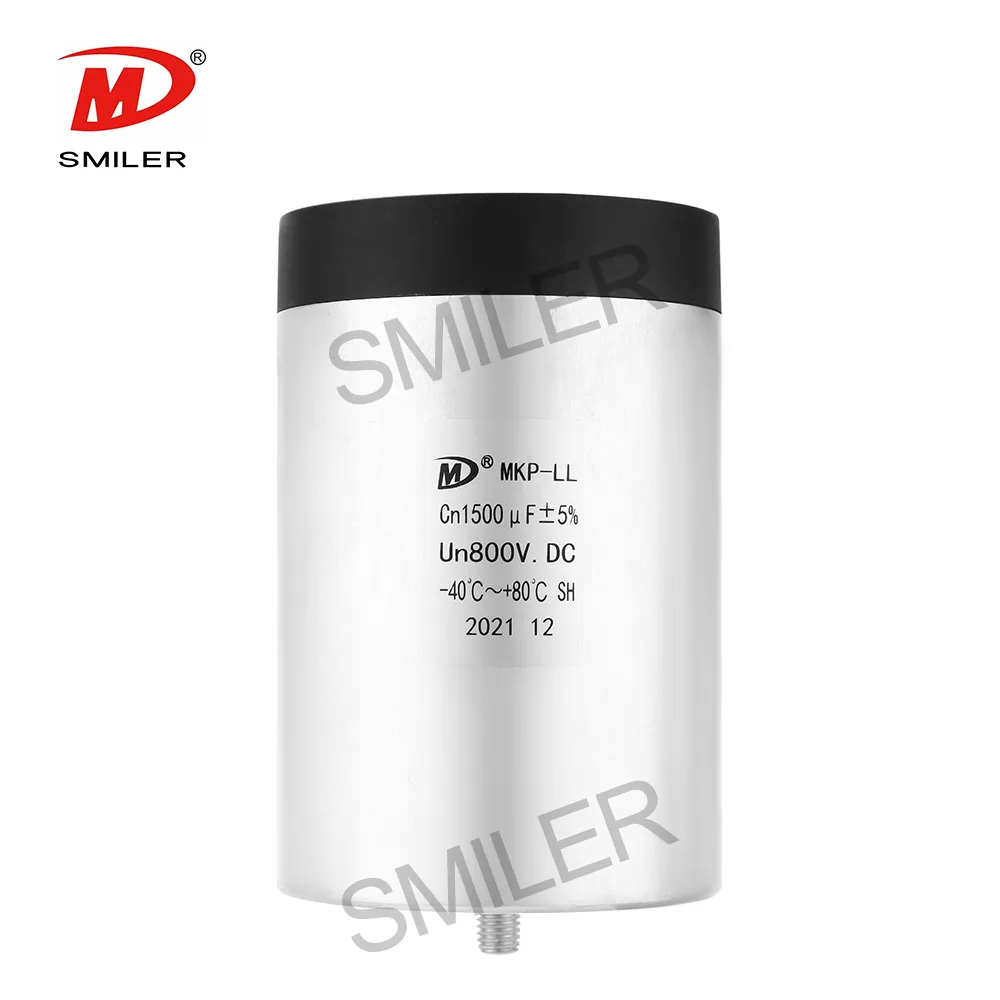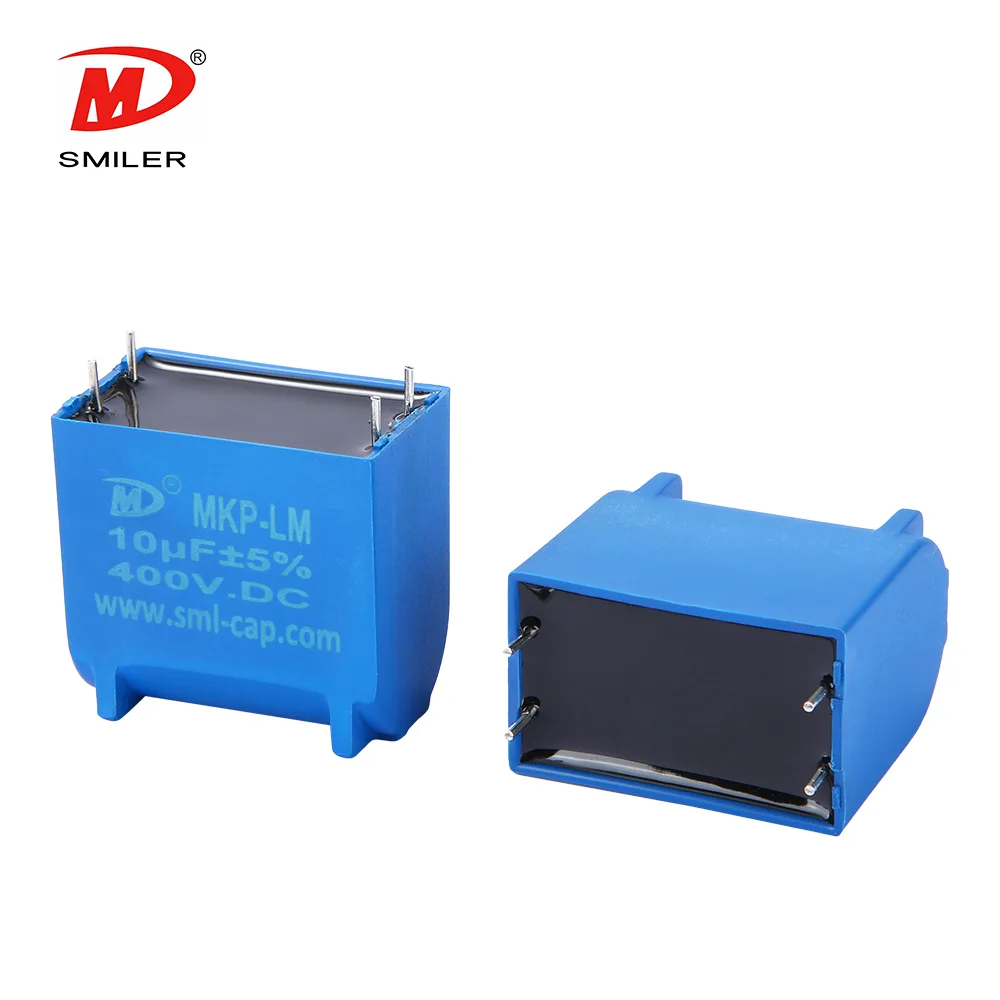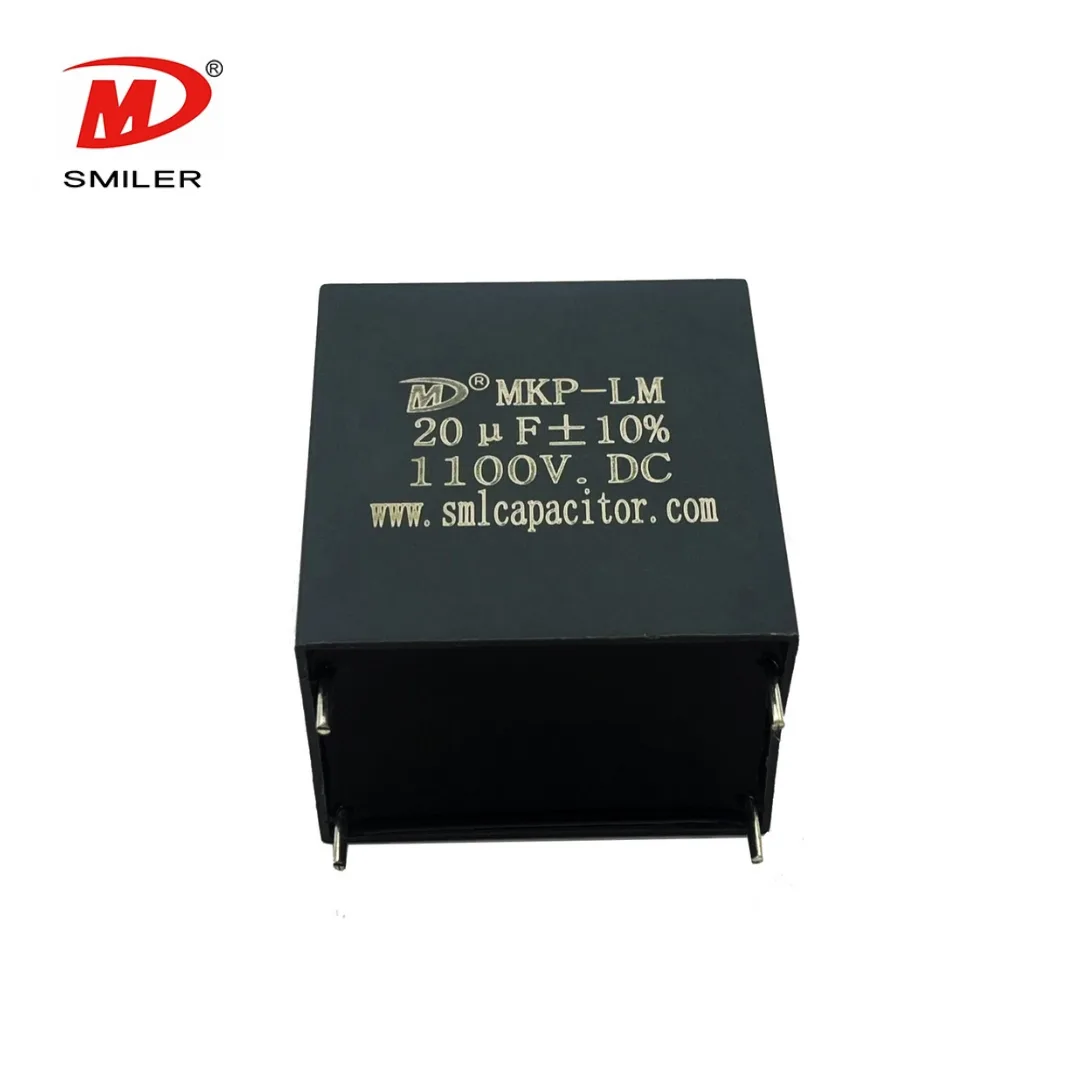
Bring humidity requirements into the first discussion
The MKP-LM THB page specifically identifies high humidity resistance and includes biased humidity test information. This gives buyers an evidence-based reason to raise environmental requirements early. It does not make the capacitor universally waterproof, suitable for immersion, or approved for every outdoor enclosure. Those are different requirements and should not be inferred from the model name.
Describe the environment the capacitor will actually experience inside the equipment. State whether the concern is sustained humidity, temperature cycling, condensation, storage conditions, or a customer-specified qualification procedure. If the equipment enclosure controls the environment, explain the intended arrangement and any assumptions behind it. The objective is to establish which environmental evidence is relevant to the proposed part. A general request for a humidity-resistant component leaves too much uncertainty for either engineering approval or a meaningful purchasing comparison.
PPS case construction is a specific distinction
The published structure identifies metallized polypropylene film, a PPS plastic housing, and resin filling. The PPS description is specific to this product page and should remain tied to MKP-LM THB when comparing it with other families. The resin filling is described with a UL94 V-0 reference; that material description does not establish a separate certification for the finished capacitor.
Ask for the mechanical drawing of the proposed part and compare the body envelope, lead spacing, and available installation space with your board layout. If a material requirement is part of your equipment approval, include it in the controlled specification rather than relying on a short quotation description. Confirm what documentation can support that requirement. The construction details help define the inquiry, but electrical duty and the environmental acceptance criteria still need their own review.
A family range is not a complete configuration table
The family is published at 500 to 1200 VDC and 1 to 110 microfarads. Both two-pin and four-pin leads are described. These are series-level choices, not a promise that every combination of voltage, capacitance, size, and lead arrangement can be supplied. A specific proposal should connect the rating to the body and terminal drawing that will be used for evaluation.
For a new design, state your preferred footprint and explain which dimensions can change. For a replacement, provide the existing drawing and any restricted clearance around neighboring parts. Give the capacitance target and tolerance together with the DC bus voltage profile. If the design uses several capacitors, specify the requirement for each position. That information makes it possible to review the intended configuration without inferring unlisted dimensions from the endpoints of the catalog range.

Read biased humidity data as a defined test condition
The published biased humidity condition is 1000 hours at 85 degrees Celsius and 85 percent relative humidity with rated voltage applied. This is a defined catalog test condition. It should not be converted into a lifetime promise in humid service or a blanket claim that every installation will remain unaffected by moisture.
If that test is relevant to your approval process, request the applicable report or specification for the proposed configuration and review the test method, acceptance criteria, and identification of the tested part. State whether your equipment specification asks for the same condition or something different. A numerical match in temperature and humidity does not by itself establish that two qualification programs are identical. Keep the intended operating environment and the accelerated evaluation requirement clearly separated in the purchasing documentation.
Match the part to its power conversion duty
Listed applications include frequency converters, industrial and high-end power supplies, automotive DC-DC equipment, and solar inverters. The series is also described for DC-link circuits. These application areas help define an appropriate sourcing inquiry, while the selected configuration still needs evaluation in the actual circuit.
Include current waveform information and the switching or ripple conditions available from the design team. Identify the operating modes that set the voltage, current, and thermal requirements. For automotive or solar projects, state the approval requirements rather than assuming the application label demonstrates a platform certification. A humidity-focused choice must still meet the electrical and mechanical brief. It is possible to have a well-defined environmental requirement and an incomplete current duty description; both need resolution before a component can be approved for production.
Temperature limits and lifetime retain their conditions
The THB page describes higher-temperature operation with voltage derating and gives an operating-life statement of 50000 hours at rated voltage and 85 degrees Celsius. Keep those conditions attached to the figure. The statement is not a warranty and does not demonstrate the same life at every voltage, temperature, or current waveform.
Provide the local temperature environment and identify whether a stated value is ambient, case, or hotspot temperature. Ask the technical team to confirm the applicable derating information for the proposed rating. Where a board is first tested in open air, plan a review after it is installed in the intended enclosure. Environmental qualification and thermal evaluation answer related but different questions; passing a humidity test does not remove the need to check the temperature reached during representative power operation.
Have a drawing or target specification?
Include it in your first message so the conversation starts with your equipment requirements.
Start a technical inquiryWrite an RFQ that separates environment from electrical duty
An MKP-LM THB sourcing brief should contain an environmental requirement as well as the usual circuit data. State the DC bus voltage profile, required capacitance and tolerance, current waveform information, and local thermal conditions. In a separate part of the brief, identify the humidity or other environmental qualification requirement and the evidence your equipment team needs to approve it.
Attach the intended footprint, available body envelope, lead arrangement, and nearby assembly constraints. Make clear whether the specified PPS housing is a controlled requirement for your project and ask what documentation will identify the supplied configuration. Where a customer test procedure applies, provide its scope and acceptance criteria rather than requesting a generic humidity-resistant part. The supplier's response can then address a defined requirement instead of relying on the model suffix.
State sample quantities separately from production demand and ask for configuration-specific commercial terms. Availability, minimum quantity, and timing are not established by the series page. Keep any open technical questions visible when comparing offers, especially where one proposal contains environmental evidence and another only repeats a family description. These are recommended inquiry practices, not a promise that every requested test or documentation package is included.
Humidity acceptance criteria describe more than exposure duration
For the published biased humidity condition, the MKP-LM THB page specifies an absolute capacitance change no greater than 10 percent and insulation resistance no lower than 50 percent of the initial limit. These criteria belong with the stated 1000-hour exposure at 85 degrees Celsius, 85 percent relative humidity, and rated voltage. Quoting the exposure alone leaves out how the result is assessed.
The capacitance-change criterion concerns the change associated with that test. It should not be confused with the J or K initial capacitance tolerance, which the specification separately lists as plus or minus 5 percent and plus or minus 10 percent. Similarly, the insulation-resistance criterion is relative to the initial limit; it is not an arbitrary resistance value that can be transferred unchanged to another component.
For an environmental comparison, identify the starting requirement, the exposure, and the acceptance criterion. That makes it possible to see whether a proposed qualification addresses the equipment's requirement. It does not establish that every delivered unit has undergone the full exposure, and it should not be interpreted as a service-life guarantee for an enclosure operating continuously in those conditions.
Electrical test conditions are not normal operating ratings
The MKP-LM THB specification includes a DC test between terminals at 1.5 times rated voltage for 10 seconds. It also lists a terminal-to-case test of 2100 VAC at 50 Hz for 10 seconds. These are different test paths and should remain distinct when reviewing a technical document. Neither figure is an alternative continuous working-voltage rating for the capacitor.
A buyer assessing the insulation requirement should identify whether the question concerns the two electrical connections or an electrical connection relative to the surrounding case reference used in the specified test. That distinction helps prevent an equipment test requirement from being compared with the wrong catalog entry. The test conditions are a document-review aid; they do not authorize applying an unspecified repeated test to an installed assembly.
Normal DC voltage selection, higher-temperature derating, and environmental qualification remain separate decisions. A part can have a stated short-duration test level while still requiring a lower permitted operating voltage at the selected case temperature. Keep those definitions attached to the numbers when comparing a THB proposal with another capacitor, so a larger test-voltage number is not mistaken for greater usable DC bus voltage.
Frequently asked questions
What is specifically documented for the THB housing?
The source identifies a PPS plastic case, metallized polypropylene film, and resin filling. Confirm the selected part drawing and any required material documentation during procurement. Do not extend that PPS description automatically to the ordinary MKP-LM or another product family.
What biased humidity condition is published?
The page lists 1000 hours at 85 degrees Celsius and 85 percent relative humidity with rated voltage. Treat it as a stated test condition. Request applicable evidence and acceptance criteria for the proposed part when your qualification process requires verification.
Does THB mean the capacitor is waterproof?
No waterproof or immersion rating is established here. Explain the actual enclosure environment, including any condensation concern, and request a configuration-specific assessment. A biased humidity test condition should not be converted into an unrelated environmental protection claim.
Are the headline electrical ranges guaranteed in every package?
No. The 500 to 1200 VDC and 1 to 110 microfarad ranges describe the family. Confirm the individual pairing, lead arrangement, dimensions, and current duty before treating a configuration as a candidate for sampling or purchase.
What should I include when requesting a THB sample?
Send the electrical duty, intended footprint, local thermal conditions, humidity qualification requirement, and proposed acceptance plan. Separate sample quantity from production demand and request current commercial terms. A sample should be identified against the configuration you intend to qualify.
Sources & technical reading
External references explain general engineering principles. They do not establish SMILER product ratings or approvals.