Begin with the requirement rather than a catalog code
The MKP-L description explicitly allows design around customer voltage and capacitance requirements. This is the defining feature of the product page. Instead of selecting an assumed standard value from a borrowed table, buyers can use the inquiry to explain what the power circuit needs and which installation constraints cannot change.
A useful first brief states the intended DC-link role, the target capacitance, voltage conditions, and the space available inside the equipment. Separate requirements that are already fixed from preferences that can be discussed. For example, a cabinet interface may be frozen while the internal capacitor arrangement remains open. Making that distinction early gives the proposal a practical design boundary. It does not guarantee that every requested combination is feasible; the proposed electrical and mechanical configuration must still be reviewed and accepted before procurement proceeds.
Applications identified for MKP-L
The source product page lists wind and solar power inverters, electric and hybrid vehicle applications, welders, elevators, and motor drive systems. These are application categories for discussing the series. They are not evidence of a particular customer installation, platform approval, or completed qualification program.
Describe the duty within your own application. A solar inverter inquiry should explain the relevant DC bus conditions, while a motor drive inquiry should identify the operating modes and load changes that the capacitor must be evaluated against. Include whether the assembly is a new design or an existing system being revised. For a revision, explain the reason for change and which interfaces must remain compatible. The clearer the intended use, the easier it is to separate necessary performance requirements from assumptions inherited from the previous component.
Construction choices and their purchasing implications
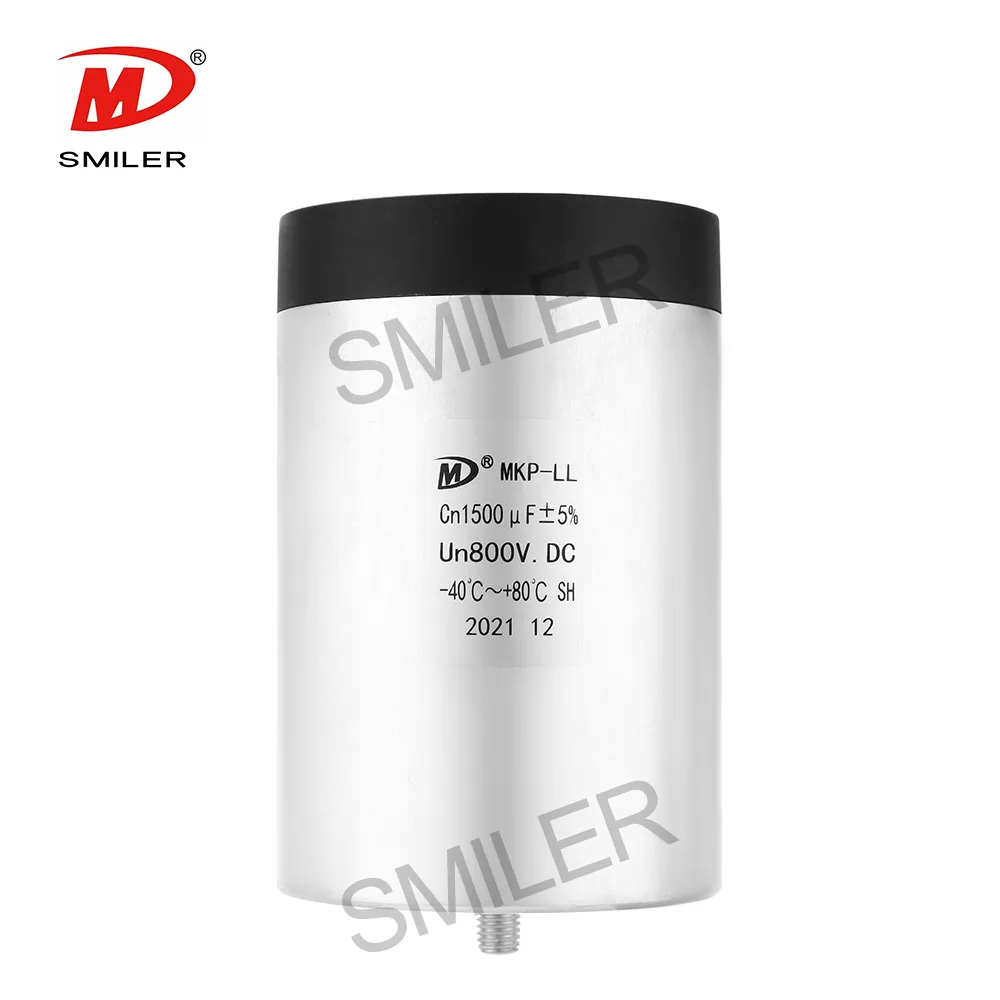
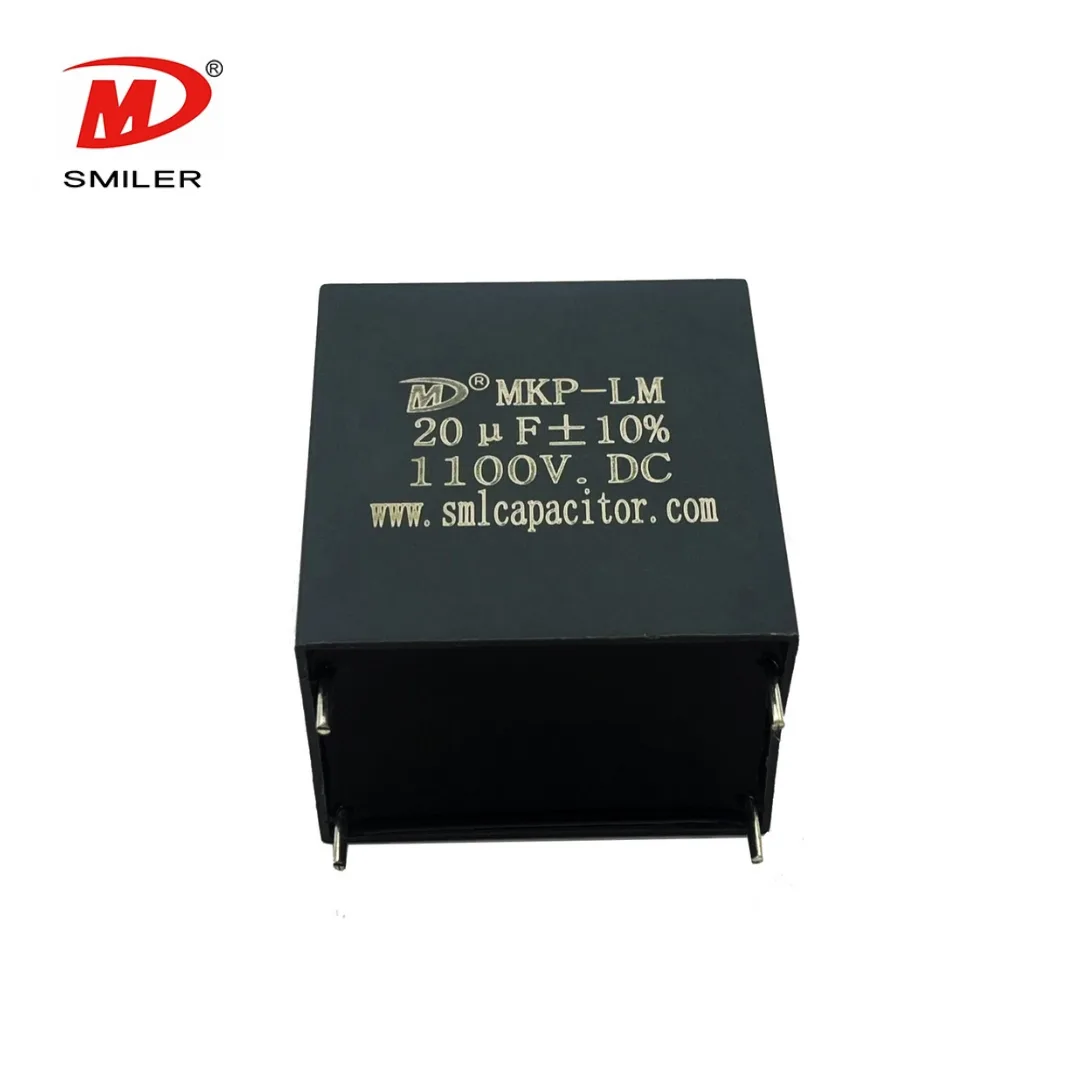
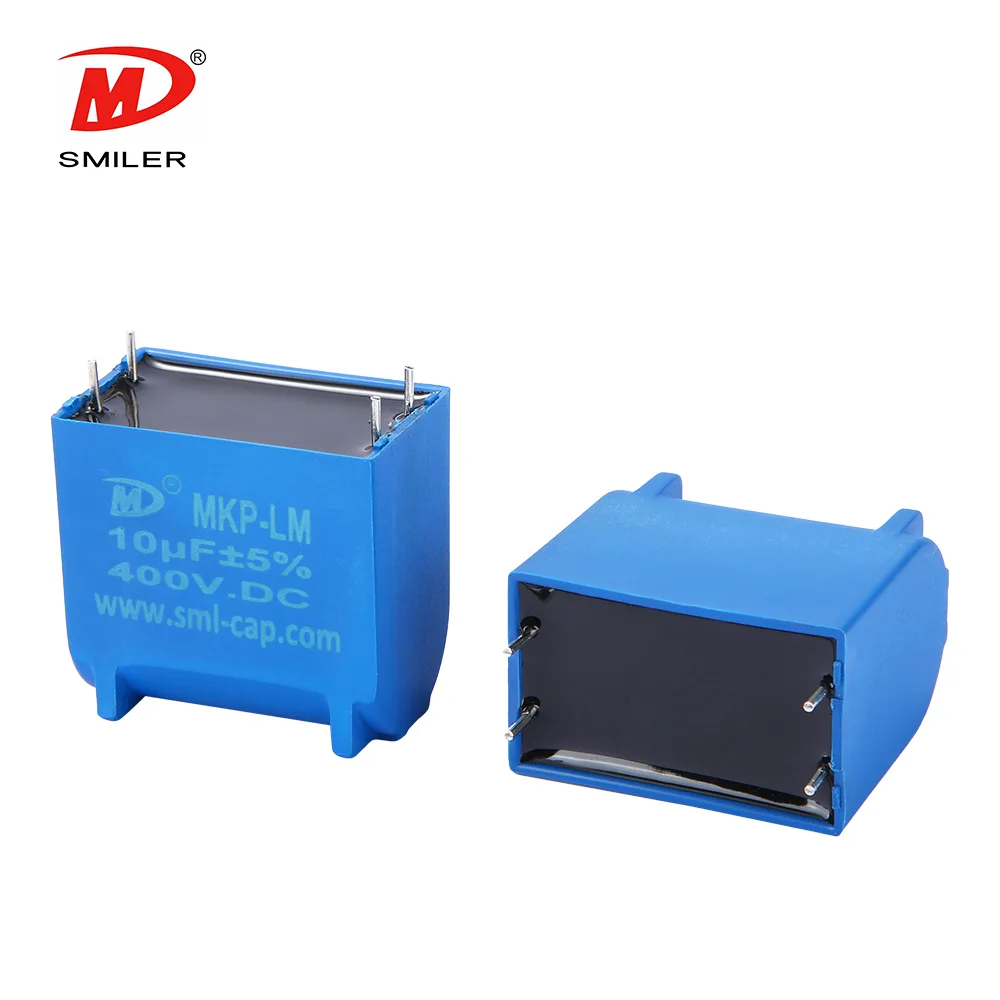
MKP-L is described with metallized polypropylene film, an aluminum or metal shell package, and resin filling. The housing description leaves a configuration choice to be resolved. A quotation should therefore identify the actual housing and mechanical drawing being proposed, rather than repeat the family description without specifying the supplied version.
Provide mounting locations, the available envelope, conductor routing, and any access restrictions inside the cabinet. Ask which details are fixed in the proposed design and which remain subject to review. Terminal geometry, mounting provisions, and material requirements should appear in the agreed documentation when they affect your assembly. The resin description includes a material flammability reference, but it does not establish third-party certification of a complete custom capacitor. If documentation is required for equipment approval, identify that need before the design and order are finalized.

Define voltage and capacitance without inventing a range
No fixed MKP-L voltage or capacitance range is published in the available product description. That makes the customer brief especially important. Specify the intended operating voltage, relevant temporary voltage conditions, capacitance target, and acceptance tolerance. Do not assume that a range published for MKP-LL or another related family also applies to MKP-L.
If the electrical requirement has been derived from a system model, send the assumptions that affect the capacitor duty. If it comes from measurements, identify the measurement point and operating state. Explain whether the requested capacitance belongs to a single capacitor or a larger assembly. This information supports a meaningful technical proposal and helps avoid quoting an attractive nominal value that does not satisfy the actual circuit requirement. The confirmed specification should replace the preliminary brief once both sides have agreed the design.
Current handling must be established for the proposed design
The product description highlights low equivalent series resistance, low inductance, ripple current handling, self-healing behavior, and long lifetime in qualitative terms. It does not provide a universal current limit or a numerical lifetime for every custom MKP-L configuration. Those details need to be discussed for the proposed design and the intended operating conditions.
Include the current waveform, frequency information, switching pattern, and temperature environment in the inquiry when available. Where the waveform changes between operating modes, identify the modes that the equipment team considers limiting. Ask for the data and assumptions used to assess the proposed part. A qualitative feature such as low resistance should not be converted into a precise performance guarantee in a purchase specification. Use explicit agreed limits and evaluation conditions where the equipment design depends on them.
Plan a custom component through design checkpoints
A custom sourcing project benefits from clear approval checkpoints. Start with feasibility against the electrical brief, then review the proposed mechanical configuration, sample requirements, and the documentation needed for evaluation. State who is responsible for accepting each stage. This is a suggested buyer workflow; the page does not promise a fixed development schedule, sample lead time, or minimum order quantity.
For a potential electrolytic capacitor replacement, include the existing specification and the objectives of the redesign. The source describes replacement use in DC-link circuits, but that does not make MKP-L a universal direct replacement. Review the complete circuit and assembly before accepting a substitution. Once the proposal is agreed, capture its revision and the open questions that remain. A controlled specification is more useful to repeat purchasing than an informal reference to a custom capacitor discussed in an early email.
Have a drawing or target specification?
Include it in your first message so the conversation starts with your equipment requirements.
Start a technical inquiryOrganize the custom inquiry into requirements and choices
An MKP-L inquiry should make the design priorities explicit. Begin with the required electrical function, voltage profile, capacitance target, tolerance, and current duty. Add the thermal environment and explain whether the figures are final requirements or estimates awaiting equipment measurements. A custom discussion becomes more productive when the supplier can see which values are mandatory and where a proposal may offer alternatives.
Use a separate mechanical drawing to show the available enclosure space, mounting locations, and conductor interfaces. Label dimensions that cannot change. If the project is a redesign, include the original component documentation and describe the reason for moving to a custom DC-link proposal. Do not rely on the words high voltage or high capacity to define an engineering requirement; state the actual values your team needs reviewed.
Ask for feasibility feedback before treating a preliminary proposal as an accepted product specification. Include expected sample quantities, production demand, destination, and documentation needs in the commercial brief. Development timing, minimum order quantity, and production availability require confirmation for the agreed design. Assign an owner to open questions so that a custom quotation does not quietly become a production order with unresolved requirements.
Fixed cabinet interfaces versus adaptable electrical design
The custom MKP-L description is especially relevant when a project has an unusual combination of electrical demand and installation constraints. Its voltage and capacitance can be discussed around the customer's requirements, while the documented construction remains metallized polypropylene film in an aluminum or metal shell with resin filling. A useful comparison starts with what the equipment designer can actually change.
Consider a cabinet whose mounting points and conductor locations are fixed. The design discussion should prioritize those interfaces and identify the permissible body envelope before treating a different outline as an acceptable alternative. In a new enclosure, there may instead be room to discuss the mounting arrangement while the circuit's capacitance requirement stays fixed. These are illustrative design situations, not customer cases or promises of any particular custom geometry.
Separating electrical requirements from mechanical constraints helps reveal the tradeoff being proposed. An alternative should explain which requirement it addresses and which interface it changes. A higher nominal value is not automatically the better answer if it requires an unacceptable enclosure revision. Conversely, exact visual similarity to an old component is not proof that a new electrical requirement has been satisfied.
Compare custom proposals by function rather than maximum values
MKP-L is presented for high-voltage, high-capacitance, and high-frequency requirements without a fixed numerical series table. A meaningful comparison therefore asks what each proposed design is intended to do. One proposal may target the existing capacitor position; another may require a revised arrangement. Treat those as different design options until their circuit role and interface requirements are clearly understood.
For a DC-link application, distinguish the capacitance needed by the circuit from the current duty and thermal conditions. The product description mentions low ESR, low inductance, and ripple handling, but it does not assign a numerical limit to every custom design. Each proposal needs its own performance basis. A supplier's qualitative description cannot substitute for the conditions against which the equipment team will judge suitability.
This comparison also clarifies when customization is useful. If the existing interface and electrical requirement are both adequately covered by an identified standard configuration, the custom route needs a concrete reason. If one of those requirements is unusual, MKP-L provides a discussion starting point. The intended benefit should be a better match to a defined application, rather than a larger number selected without regard to the equipment.
Frequently asked questions
Is MKP-L a fixed standard range?
The available product page describes a design based on customer voltage and capacitance. It does not publish a fixed numerical series range. Send your requirements and request a configuration-specific proposal rather than borrowing specifications from another DC-link family.
Which housing materials are described?
The source lists aluminum or metal shell packaging with resin filling and metallized polypropylene film. The exact housing, dimensions, and connection arrangement should be identified in the proposed drawing and confirmed before the order is released.
Can it replace an existing electrolytic capacitor?
Replacement in DC-link circuits is mentioned in the product description. Suitability still requires a circuit and installation review. Send the existing specification and explain the desired change; a matching nominal voltage alone does not establish an acceptable replacement.
Is there a published standard delivery time?
No fixed delivery time is established here. Ask for sample timing, production timing, minimum quantity, and commercial terms against the accepted configuration and required quantity. A custom design discussion should keep those questions separate from engineering approval.
How do I make the first inquiry useful?
Include target voltage and capacitance, current duty, temperature conditions, the available installation space, and connection requirements. Mark any unknown values and explain whether you are developing new equipment or replacing a component in an existing assembly.
Sources & technical reading
External references explain general engineering principles. They do not establish SMILER product ratings or approvals.