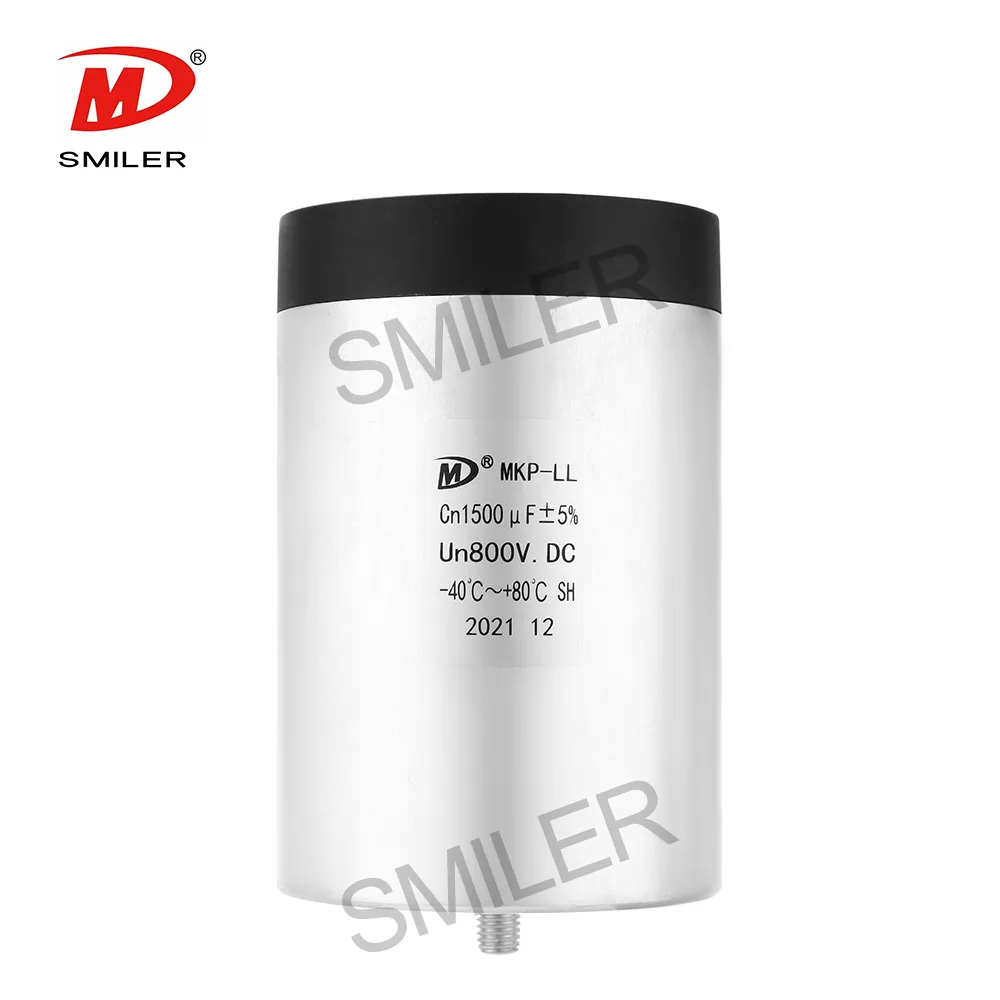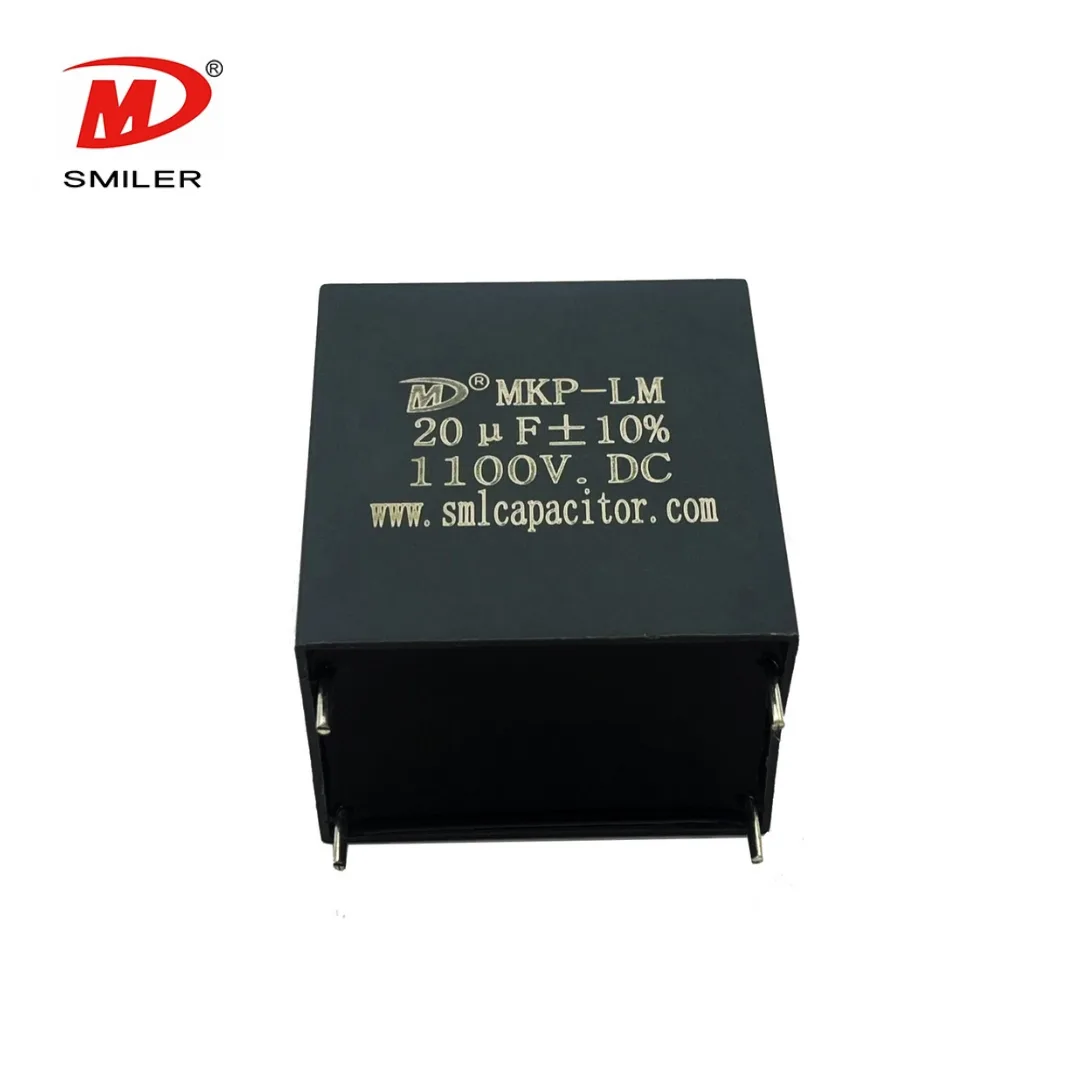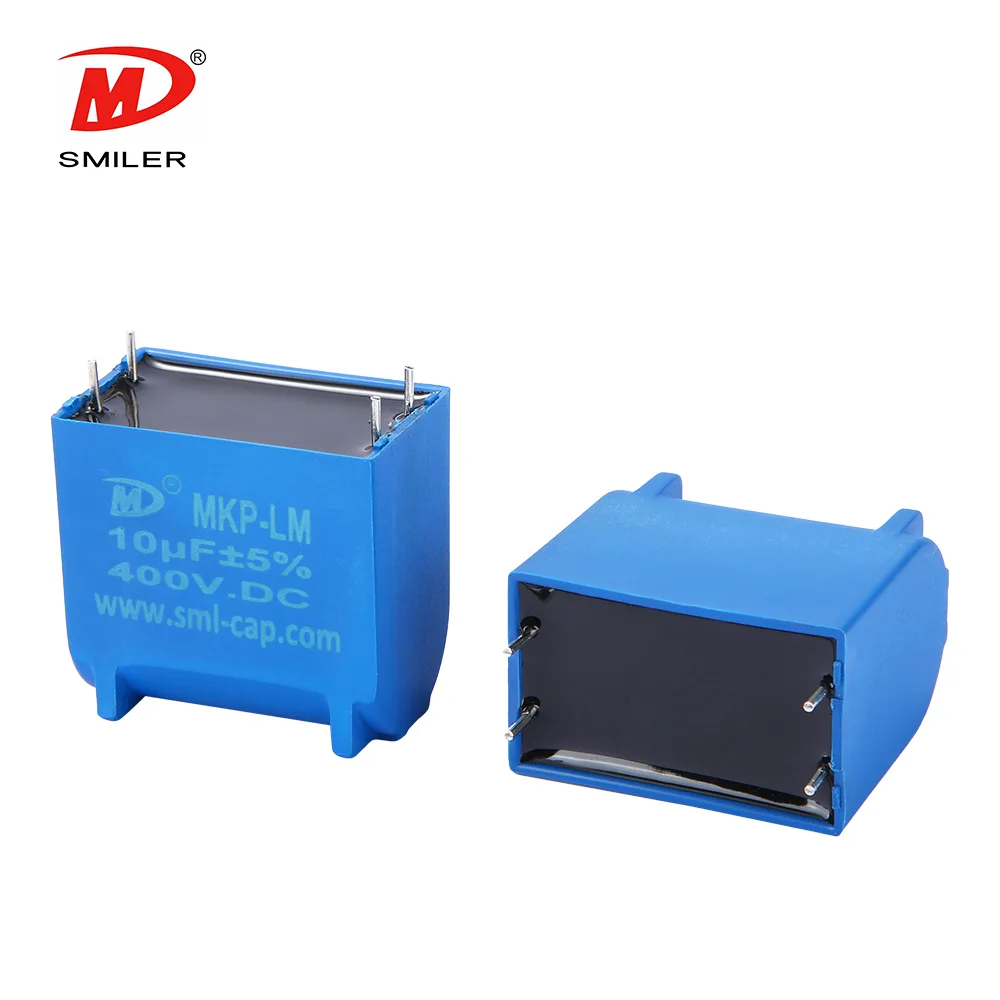
A practical starting point for PCB-based power assemblies
The MKP-LM product description combines DC-link applications with two-pin and four-pin lead options. For a buyer working with a power electronics board, the electrical requirement and the board interface need to be reviewed together. A capacitor that meets the nominal voltage and capacitance targets still needs a footprint, body envelope, and connection arrangement suited to the intended assembly.
Start by identifying where the capacitor sits in the circuit and which design constraints are already fixed. If the board layout is still open, provide the preferred mounting area and neighboring components. If it is frozen, send the approved footprint and available height. These details support an assessment of the proposed configuration. They do not establish that every rating in the family is offered with both lead arrangements or that a product photograph represents the exact part you will receive.
Use the series ranges as a shortlist
The published 500 to 1200 VDC and 1 to 110 microfarad ranges describe MKP-LM at family level. They are useful for deciding whether to begin a technical inquiry, but they do not establish every possible voltage and capacitance pairing. Request the current specification for the candidate part and keep the proposed rating linked to its dimensions and lead configuration.
When describing the DC bus, distinguish steady operating voltage from excursions and identify how the circuit is used during startup, shutdown, and load changes. Explain the capacitance target and tolerance needed by the design. Where several capacitors are being considered in one assembly, identify the duty and required value per component rather than sending only the total. This prevents a nominal family match from being mistaken for a complete electrical selection.
Plastic case, resin filling, and lead geometry
The documented construction is metallized polypropylene film in a plastic case with resin filling. Standard MKP-LM is listed with a plastic case; the THB version specifies PPS. Buyers whose equipment specification names a particular housing material should distinguish those descriptions when comparing proposals and use the material identification applicable to the selected configuration.
For a footprint review, request the body dimensions, pin spacing, lead diameter, and clearance information relevant to the proposed part. Include board thickness and assembly constraints in your inquiry where they influence the interface. Ask how the part should be identified in the bill of materials so that the approved lead version is retained on repeat orders. A similar-looking case does not replace the dimensional drawing, especially when the same family includes more than one connection arrangement.

Applications need their own operating brief
The catalog lists frequency converters, industrial and high-end power supplies, automotive DC-DC applications, and solar inverters. These descriptions identify intended application areas. They do not demonstrate approval for a specific automotive platform, power supply standard, or inverter installation. Qualification belongs to the selected component in the actual equipment design.
Tailor the inquiry to that equipment. For a frequency converter, include the DC bus operating profile and the relevant load transitions. For a power supply, identify the circuit location and switching conditions. For a solar inverter or DC-DC converter, provide the conditions that the design team considers limiting, together with the intended installation environment. This approach gives the manufacturer a concrete problem to review while keeping the purchasing decision grounded in the proposed part rather than broad application labels.
Review temperature and service-life conditions carefully
The product documentation contains temperature information and a stated operating life of 50000 hours at rated voltage and 85 degrees Celsius. The lifetime figure is conditional. It should not be presented as a warranty duration, a fixed replacement interval, or an assured result at any operating temperature. Ask for the applicable thermal and lifetime information for the exact part under review.
The page also describes voltage derating for higher temperature operation. Do not combine the highest listed temperature with full rated voltage without checking the stated conditions. In your own brief, distinguish ambient temperature, measured case temperature, and any hotspot estimate. Tell the technical team where each value comes from. A clear thermal description is particularly useful when the capacitor is close to other heat sources or enclosed after an initial open-board evaluation.
Compare the standard and THB descriptions without assumptions
MKP-LM and MKP-LM THB have separate product pages, and both pages discuss humidity-related performance. Choosing between them requires the actual environmental requirement and the relevant part documentation. It would be misleading to assume that the ordinary MKP-LM has no humidity capability solely because the other name includes THB, or to assume the two versions are interchangeable because their headline ranges match.
State whether your equipment requirement includes sustained humidity, condensation exposure, a specified test method, or a particular acceptance criterion. Ask which proposed configuration is intended to address that requirement and request the supporting conditions. Keep any qualification plan specific to the supplied part. The comparison should resolve housing, lead arrangement, electrical duty, and environmental evidence together, rather than treating a suffix as a substitute for an engineering decision.
Have a drawing or target specification?
Include it in your first message so the conversation starts with your equipment requirements.
Start a technical inquiryPrepare a board-level sourcing package
For an MKP-LM inquiry, bring the circuit requirement and PCB interface into the same sourcing package. State the bus voltage profile, capacitance target, tolerance, current waveform information, and expected local temperature. Mark preliminary values so the supplier does not mistake an estimate for a fixed acceptance limit. If the requirement changes with operating mode, identify the relevant modes rather than sending one unexplained current figure.
Attach the board footprint or a dimensioned proposal showing lead positions, available height, neighboring parts, and the mounting area. Specify whether a two-pin or four-pin arrangement is preferred or mandatory. Where a replacement is needed, provide the original part drawing and explain which dimensions must remain compatible. Ask for a candidate specification that connects the electrical rating to the exact lead and body configuration.
Separate the technical request from the commercial quantities while keeping both tied to the same proposal. State sample demand and anticipated repeat demand, then request availability, minimum quantity, packaging, and timing. Any equipment approval documents should be identified early. A material description or a general application reference is not a substitute for evidence required by your own qualification process.
What a two-pin or four-pin drawing must resolve
MKP-LM offers two-pin and four-pin lead arrangements, but pin count is only the first mechanical distinction. The published drawing terminology includes body width, height, thickness, primary pitch, an additional pitch where applicable, and lead diameter. For a board designer, those describe different interfaces: the body occupies space above the board, while pitch and lead diameter determine where and how the component meets the board.
As a footprint selection consideration, check the complete drawing rather than replacing one pitch value in an existing footprint. A four-pin proposal needs the additional lead positions resolved as well as the outside envelope. A two-pin candidate still needs the correct lead diameter and body clearance. Pin count alone does not establish a current advantage, mounting strength, or interchangeability for this particular family.
The body-height limit also needs a clear reference point. Space above the board can be constrained by a cover or a neighboring assembly even when the plan-view outline appears suitable. These are practical interface questions for choosing among the documented lead options. The exact dimensions and electrical rating must come from the same proposed configuration, not from visually similar product photographs.
Read capacitance tolerance separately from environmental change
The MKP-LM specification lists J tolerance at plus or minus 5 percent and K tolerance at plus or minus 10 percent. These options describe the specified capacitance tolerance. Select the tolerance required by the circuit; a tighter option should have an identified design purpose rather than being requested automatically as a general quality label.
Environmental test limits answer a different question. The page gives a biased humidity condition and a permitted capacitance change after that exposure. A permissible change during an environmental assessment is not the same item as the initial J or K tolerance. Keep the two criteria separate when discussing whether the component meets a circuit requirement before and after a specified evaluation.
The same distinction matters when comparing MKP-LM with its THB counterpart. Both descriptions include humidity-related information, while the THB construction explicitly specifies PPS. The decision should address the material requirement, initial tolerance, environmental criteria, and lead configuration as separate points. Combining them into one label such as higher quality would hide the actual differences the equipment team needs to resolve. A selected part should answer the particular circuit and environment rather than win an undefined comparison.
Frequently asked questions
Is MKP-LM available with two-pin and four-pin leads?
Both lead arrangements are listed for the family. Ask which arrangement belongs to the proposed rating and request its drawing. Do not assume every voltage and capacitance combination is available in both versions or uses the same PCB footprint.
Is the standard MKP-LM case PPS?
The standard page identifies a plastic case without specifying PPS. PPS is explicitly named on the separate MKP-LM THB page. Use the material stated for the individual proposed part, especially where your approval process depends on a particular housing material.
Does the 50000-hour statement apply to any installation?
No. The published operating life is tied to rated voltage and 85 degrees Celsius. Your equipment duty and thermal conditions need separate assessment, and the figure does not establish a commercial warranty or a guaranteed replacement interval.
Can the family be used in automotive DC-DC equipment?
Automotive DC-DC is a listed application area. That does not establish approval for a specific vehicle platform or qualification standard. Send the electrical, environmental, mechanical, and documentation requirements for the intended equipment before selecting a part.
What helps resolve the standard versus THB choice?
Provide the environmental conditions and any required humidity test method, alongside the electrical duty and board interface. Request evidence for the proposed configuration. Comparing those requirements is more useful than assuming performance from the product suffix alone.
Sources & technical reading
External references explain general engineering principles. They do not establish SMILER product ratings or approvals.