Where CBB60 fits in an appliance sourcing project
A pump manufacturer and a shutter motor buyer may both ask for CBB60, yet their purchase specifications can be quite different. The motor, enclosure and operating pattern should lead the selection. The published application list includes these equipment types, but it does not establish compatibility with every motor used in them. Identify the actual motor and the capacitor's role in its circuit before treating a catalogue match as an approved replacement.
For a new design, include the motor specification and the intended supply frequency with your inquiry. For a replacement project, add the existing component marking and the equipment drawing. A photograph helps establish what is currently installed; it does not replace the electrical specification. Keep the motor manufacturer's requirements attached to the request so purchasing and engineering are reviewing the same starting point. This is particularly useful when one buying team manages several appliance platforms.
Published construction and what to confirm
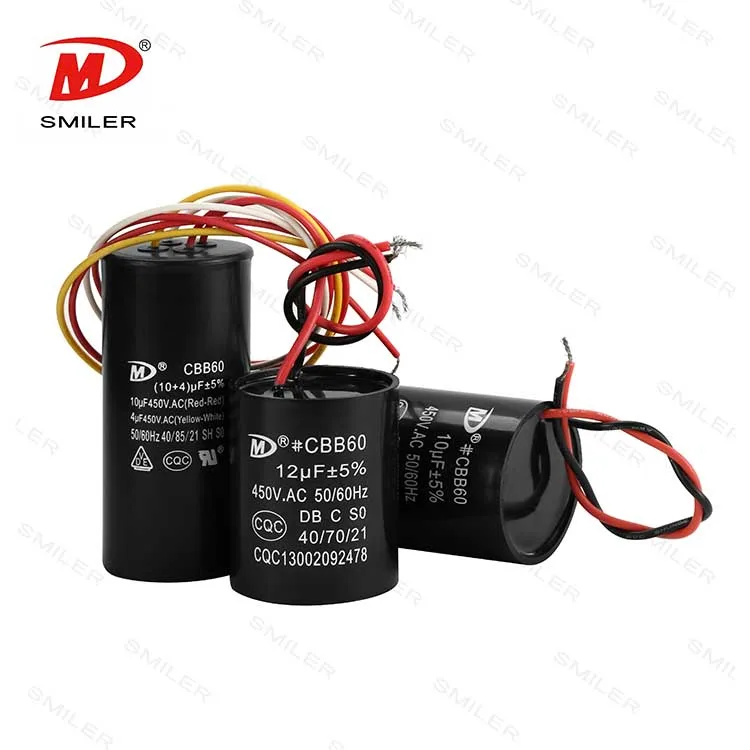
The CBB60 construction described in the catalogue uses metallized polypropylene film, a plastic or aluminium shell and resin filling. These are series construction details. They give you a basis for discussing the enclosure and mounting arrangement without assuming that every combination is available in every size. Ask for a drawing of the proposed part, including the body, connection area and any mounting features needed by your assembly.
The catalogue describes self-healing behavior and low loss as product features. Neither phrase replaces application validation or a specified service life for your operating conditions. If your bill of materials requires a particular housing material, state it explicitly rather than accepting an unspecified shell. Likewise, any material flammability requirement should be attached to the relevant material and evidence. A resin description should not be read as certification of the finished appliance or every capacitor variant.
Turn the series voltage range into a part specification
The published CBB60 series voltage range is 110–600 VAC at 50/60 Hz. That range describes the family; it is not a statement that an individual part covers the entire range. Your order needs one agreed rated voltage, one capacitance and the associated tolerance. The source lists tolerance options of ±5% and ±10%, so make the required option visible in the inquiry and in the approved specification.
Describe the voltage experienced at the capacitor terminals, including relevant operating conditions, rather than supplying only the equipment's commercial voltage label. Ask the responsible engineer to establish the selection requirement. Where the project involves several destination markets, identify whether they share one capacitor specification or need separate parts. Do not silently merge them into one purchasing line. A clear variant list prevents the sample for one market from becoming the assumed reference for all other versions.

Check the installation envelope before approving the outline
Space around the capacitor matters as much as the body dimensions on a drawing. Review the mounting position, available routing space and how the assembly operator will reach the connections. Include the permissible overall height and width, not just the space occupied by the old body. If a bracket or clamp is already fixed in the appliance design, share its drawing and identify the dimensions that cannot change.
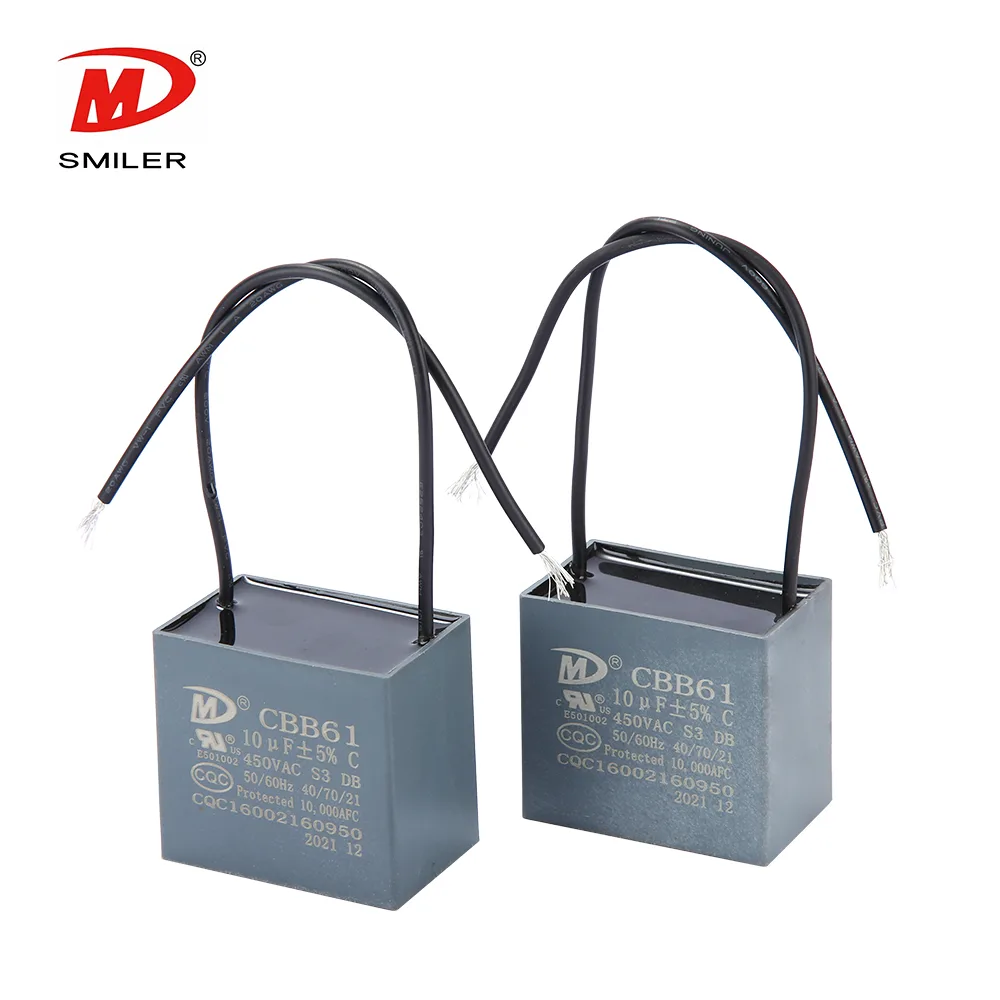
Use a current, confirmed outline for the selected electrical combination. The catalogue contains several size combinations, and a single photograph cannot establish scale. During sample review, compare the physical part with the agreed drawing and record any interference in the actual enclosure. A fit check should include the assembled connection arrangement. If a mechanical change is accepted, update the drawing revision before ordering production parts, so an informal sample adjustment does not become an undocumented purchasing assumption.
Describe the duty in the language of the equipment
The catalogue identifies starting and running of AC motors as intended uses. Your inquiry should still explain the actual circuit role. State whether the capacitor remains connected during normal operation, how the equipment is controlled and what operating pattern the design must support. These are application requirements for review, not performance claims that can be inferred from the CBB60 model name.
Use the equipment's real operating scenario when preparing a qualification brief. For a water pump project, identify the intended operating cycle and enclosure environment. For a shutter motor, describe the movement cycle and the installation space. For a washing machine, identify the relevant motor arrangement. Provide measured conditions where available and distinguish them from design targets. That separation lets the reviewing engineer see which points are already established and which need to be checked during a sample trial.
Set a sample review plan that purchasing can follow
Agree on the sample configuration before shipment is arranged. The sample reference should include the capacitance, rated voltage, tolerance, housing and drawing revision. On receipt, record the markings and physical dimensions, then compare the parts with the agreed documentation. Have the engineering team define the electrical checks and the equipment trials appropriate to the application. This proposed workflow is a buyer's qualification aid, not a claim that a particular factory test has already been performed.
Keep the result useful for the next order. Record the test conditions, the sample identity, any deviations and the approval decision. If a sample fits but fails an application requirement, describe the requirement and observation separately. If it passes only with a change to the mounting arrangement, document that change. A signed reference package makes it easier to distinguish an acceptable production part from a visually similar capacitor that was never evaluated in your equipment.
Have a drawing or target specification?
Include it in your first message so the conversation starts with your equipment requirements.
Start a technical inquiryAsk for evidence at the level of the ordered variant
Certification and endurance requirements should be specific purchasing fields. Ask which supporting documents apply to the exact part proposed, which ratings they cover and whether the identification on the document matches the part marking. A general certificate image or a list of standards is not enough to establish the scope of an individual order. If your customer requires a named approval, include that requirement at the start of the discussion.
The published CBB series information contains several life and safety class options. Do not select the highest figure from the family description and attach it to an unspecified order. Request the classification and conditions for your proposed configuration. Your engineering and compliance reviewers should decide whether that evidence satisfies the finished equipment requirement. Keep any outstanding documentary questions visible through sample approval, especially where a distributor's catalogue description will later be based on the same part.
Prepare an RFQ that produces comparable quotations
A useful CBB60 quotation request combines a technical specification with a practical purchasing brief. Include the estimated order quantity, forecast usage, destination and required delivery date as your requirements. Ask for confirmation of the minimum order quantity and lead time for the proposed part; neither should be assumed from another model or an earlier purchase. Separate sample needs from the production schedule so the quotation can address both stages clearly.
For multiple variants, give each configuration its own line and internal part number. Add the required marking, packing and inspection documents. If you are comparing offers, keep the technical basis unchanged across suppliers and record any deviation beside the price. A lower price tied to a different housing or tolerance needs an engineering decision before it becomes a purchasing decision. Make clear whether alternative dimensions can be considered or whether the existing enclosure is fixed.
Compare the needs of pumps, shutters and washing machines
The CBB60 application list covers equipment with quite different mechanical layouts. For a pump inquiry, show whether the proposed capacitor will sit inside the existing motor enclosure or elsewhere in the assembly, and identify the mounting space actually available there. Ask the pump designer which operating conditions should be included in evaluation. The word pump describes the equipment category; the motor specification supplies the electrical selection basis.
For a shutter motor, describe the intended movement sequence and how the capacitor is connected within the motor assembly. Ask whether a proposed alternative changes the connection access during installation. For a washing machine, identify the specific motor function rather than treating the whole appliance as one electrical load. If your purchasing team handles all three categories, use the application descriptions to organize inquiries, then retain separate technical requirements wherever the motors differ. This is a useful way to consider common sourcing without assuming a common capacitor configuration. Send the motor requirement and installation space together when requesting a CBB60 proposal.
Frequently asked questions
What applications are listed for CBB60?
The catalogue lists washing machines, shutter motors, range hoods, paper shredders and water pumps, as well as starting and running of AC motors. Treat these as application categories. Suitability for your particular motor must be checked against its circuit, electrical requirement and installation conditions.
Is CBB60 supplied in only one housing material?
The published construction identifies plastic or aluminium shell options with resin filling. Ask which housing is proposed for your electrical specification and request its outline. Do not assume that a photograph or an earlier sample represents every available configuration.
Can I order from the voltage range alone?
No. Specify the rated voltage, capacitance, tolerance, application and mechanical requirements together. The 110–600 VAC catalogue range is a series range, not a universal rating for one capacitor. The quotation and approval drawing should identify the selected configuration.
What should accompany a replacement inquiry?
Send clear component markings, the existing drawing if available, the motor information and the installation envelope. State which features must remain unchanged. A match in model name or appearance alone is not enough to approve a replacement in your equipment.
Are certifications and delivery terms fixed for every order?
Request documentary scope and commercial terms for the proposed variant. This page does not establish a universal certification package, minimum order quantity or delivery period. Include your required approvals, quantity and schedule so those items can be addressed in the quotation.
Sources & technical reading
External references explain general engineering principles. They do not establish SMILER product ratings or approvals.